
Uneven heating is a common problem for many homeowners, leaving some rooms too warm while others stay uncomfortably cold. Resolving uneven temperatures that make some areas of your house too hot and others too cold should be your top priority if you needheat repairing services in Frisco, Texas. You will always feel uncomfortable in a living room that is both warm and cold. This is not only annoying but can also raise your energy bill and put undue stress on your heating unit, costing you more to keep your home comfortable all season long.
Homes aren’t built the same, with varying levels of insulation and sunlight exposure that can make it difficult for a single thermostat to ensure each room is efficient and comfortable. Zoning systems fix uneven heating by dividing a home into sections that can be heated independently.
The details below explain how zoning can help address uneven heating, so homeowners can understand the benefits and make the right improvements.
What is an HVAC Zoning System?
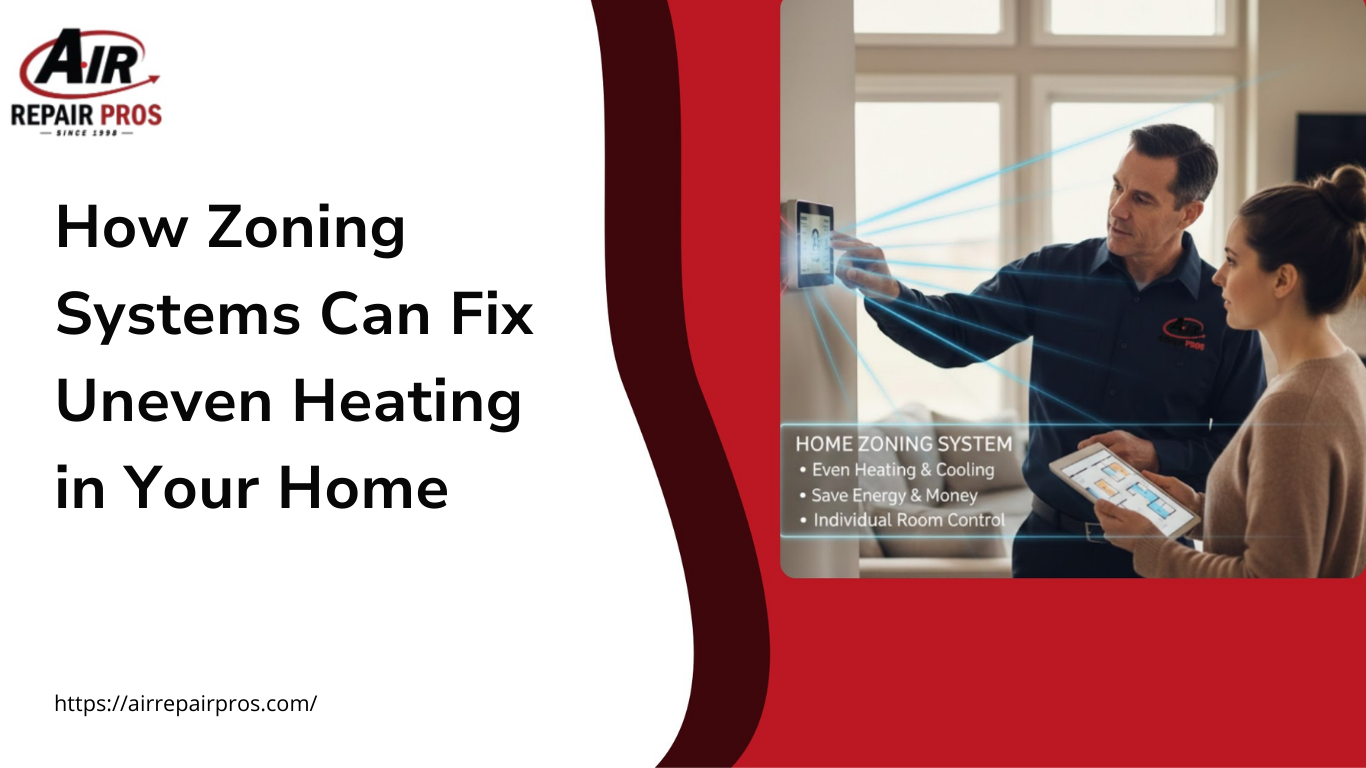
With an HVAC zoning system, the home is divided into zones. Each thermostat in the system has its own airflow control. Rather than a single thermostat controlling the entire house, several thermostats send signals to a central control panel, which directs heat where it’s needed. Zoning systems provide a practical, uneven heating solution by dividing the home into independent zones, allowing each room to maintain its ideal temperature.
How Does it Work in Real Life?
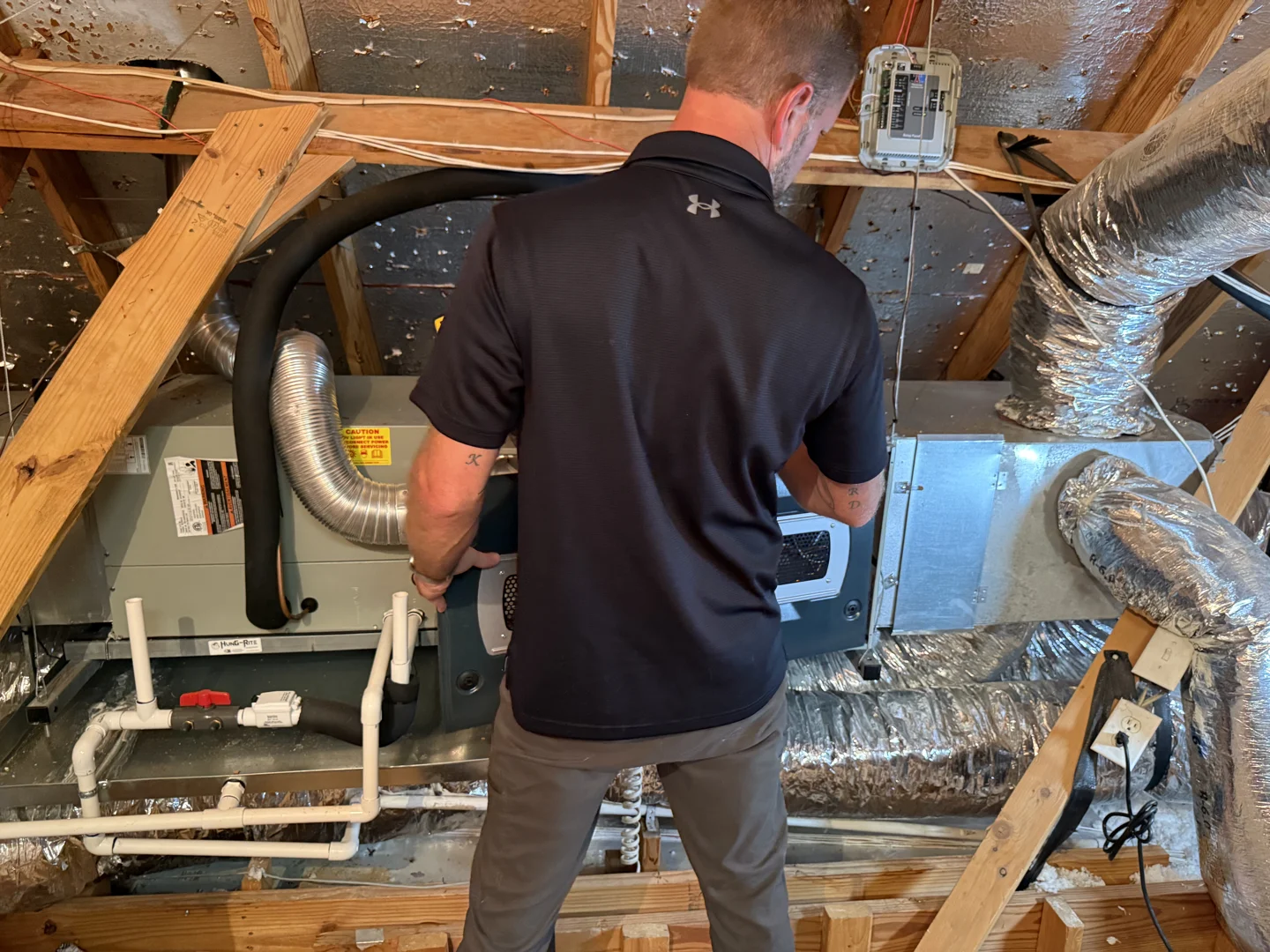
Technicians install motorized dampers in the ductwork. These dampers act like valves. If a zone requires heat, its damper is opened. When that zone reaches the programmed temperature, the damper closes. The system then reroutes warm air to other zones that still need heating. This is an automatic, ongoing process as long as the system is operational.
The control panel is the brain of the operation. It interprets signals from each thermostat and instructs the dampers and the HVAC unit on how to respond. Also, if only one room needs heat, the system will focus on that room rather than warming the entire area. This delivery capability addresses uneven temperatures.
Zoning can be set up in different ways depending on the home:
- By floor level, such as upstairs and downstairs
- By usage, like separating bedrooms from living areas
- By sun exposure, where sunny rooms form one zone and shaded rooms another
- By rarely used spaces, such as guest rooms or basements
This setup is important to improve home heating efficiency. Upper floors trap heat. Large windows change room temperatures. There’s different insulation in each of the walls. No single thermostat in a hallway can accommodate all of that variance.
In the world of zoning, every space controls its comfort. Bedrooms can be kept at warmer temperatures overnight without heating the kitchen. An office in the home can remain comfortable during the day without overheating empty rooms. And family members no longer argue over the thermostat because each zone has its own setting.
How Do Zoning Systems Fix Uneven Heating?
Uneven heating is not random. It’s generally due to air imbalances, layout issues, and the natural movement of heat through the home. Those two efficiency problems can be rectified with a zoned system, which tells heated air where to go and when. Conventional systems simply distribute heat, but zoning adds precision.
. Targeted Comfort in Every Room
Each zone operates with its own thermostat and air flow control. That changes everything. Rather than a single thermostat in a hallway guessing the home’s temperature, each area reports its needs. If one bedroom gets colder at night, that zone can call for heat without making the kitchen or the living room too hot.
When heat is absorbed in the living space from the sun or cooking, it does not continuously draw on your heating unnecessarily. The system responds to events, not averages. This direct control has its benefits: the trial-and-error process is eliminated. Homeowners won’t have to fiddle with vents or dive into settings every 15 minutes. Hot and cold spots disappear when airflow is matched to each space’s needs.
. Reduced Energy Waste
The vast majority of homes waste heat by warming rooms no one occupies. In a traditional system, guest rooms, storage areas, and other unused spaces still provided the same airflow as bustling areas. Zoning changes that pattern. Dampers close off rooms that do not require heat and open where comfort is needed.
This lower airflow waste just means the furnace operates more efficiently. That can translate into lower utility bills over time. It also supports more innovative scheduling. Small adjustments and seasonal maintenance are practical Frisco heating repair tips that help maintain efficiency and comfort.
. Improved System Performance
When a system is not heating evenly, it typically has to run longer cycles. A drafty room that cools much faster than the rest of the house keeps the thermostat calling for heat even when the rest of the house is already warm. That causes extra wear and tear on parts.
A zoning system can help alleviate that stress. Because each zone has its own temperature, the operation prevents continual over-box correction. Equivalent run times help reduce heat fluctuations and other cold-air-blowing issues, which can damage your valuable equipment. Lower breakage and more predictable maintenance can also mean fewer outages and steadier operations. The system is sharper and less complex.
. Better Indoor Air Quality and Health
When airflow is managed more effectively, air quality improves. Zoning regulates unwanted air movement throughout the house. That can help prevent dust and airborne particles from traveling between spaces. Many zoning configurations work well with premium filters, humidity control, and air purification.
When airflow is zoned, filtration can be more effective in areas where people spend most of their time. This controlled circulation can make the home feel fresher and more comfortable for households with allergies or sensitivities. Replacing clogged filters and keeping vents clear are essential but straightforward heating maintenance tips that improve airflow and system efficiency.
. Real Life Example
The main suite upstairs stays warm because heat rises. However, the downstairs guest room is cold, especially near exterior walls. With one thermostat, the system won’t stop running until our guest’s room matches the in-home temperature.
The primary suite, by then, could be sweltering. The cycle repeats all winter. With zoning, that guest room is heated only when needed. The upper zone has its own schedule. Both spaces are warm and inviting without being overly bold. Choosing heat repairing services in Frisco, TX ensures repairs are completed the first time, whether the issue is a faulty thermostat, clogged vents, or a damaged control board.
Conclusion
When looking for professional heat repairing services in Frisco, TX, zoning systems often come up because they address uneven heating at the system level. They enhance comfort, reduce energy waste, and make each room feel like home. HVAC zoning system benefits include personalized comfort, lower utility costs, and longer system life.
For expert help that goes beyond cutter fixes, Air Repair Pros delivers heating solutions tailored to each home. Our technicians explain options clearly, provide fair assessments, and focus on lasting solutions rather than temporary patches. If you want uneven heating fixed the right way, they’re ready to help.
Contact the heating expert HVAC contractor in North Dallas through our website, or schedule a consultation to learn how zoning can improve your home’s comfort and efficiency.