
Improving Air Quality
WE all want to think that we are safe in our own homes from air pollution! However, we are quite wrong in the contrary. Our homes indoor air is actually more polluted than the air we breathe outdoors. So, the next question should be, “What causes indoor air problems?” That answer actually has a variety of answers and below you will learn why your indoor air may be harmful to your health.
Indoor pollution sources that release gases or particles into the air are the primary cause of indoor air quality problems in homes. Inadequate ventilation can also increase indoor pollutant levels by not bringing in enough outdoor air to dilute emissions from indoor sources and also by not carrying indoor air pollutants out of the home. High temperature and humidity levels can also increase concentrations of some pollutants.
In addition, there are many sources of indoor air pollution in any home. These include combustion sources such as oil, gas, kerosene, coal, wood, and tobacco products; building materials and furnishings as diverse as deteriorated, asbestos-containing insulation, wet or damp carpet, and cabinetry or furniture made of certain pressed wood products; products for household cleaning and maintenance, personal care, or hobbies; central cooling and heating systems and humidification devices; and outdoor sources such as radon, pesticides, and outdoor air pollution.
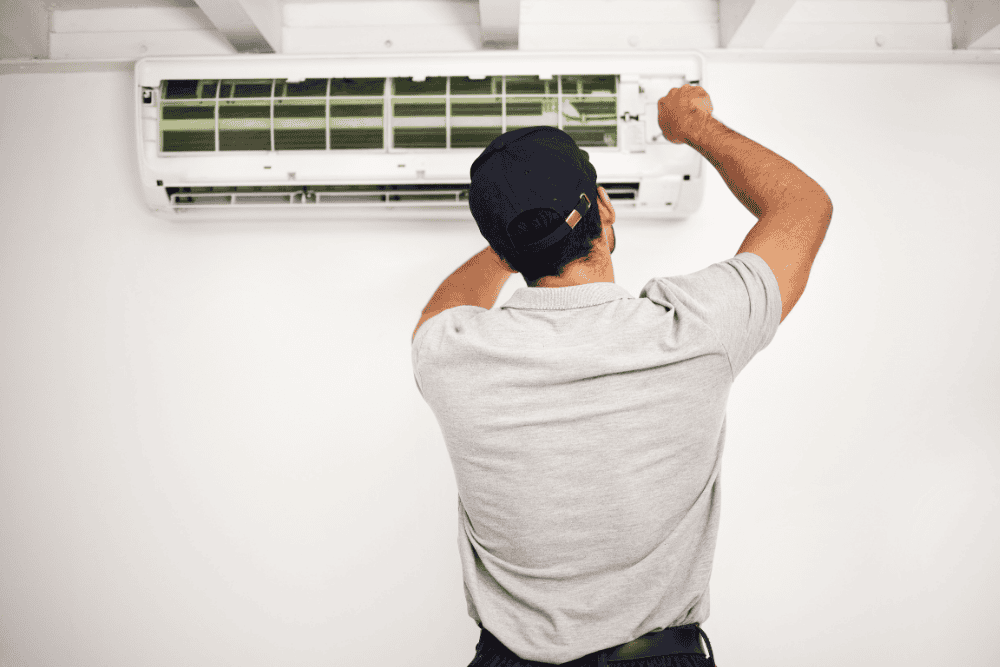
The importance of any single source depends on how much of a pollutant it emits and how hazardous those emissions are. In some cases, factors such as how old the source is and whether it is properly maintained are significant. For example, an improperly adjusted gas stove can emit significantly more carbon monoxide than one that is properly adjusted.
Some sources, such as building materials, furnishings, and household products like air fresheners, release pollutants more or less continuously. Other sources, related to activities carried out in the home, release pollutants intermittently. These include smoking, the use of unvented or malfunctioning stoves, furnaces, or space heaters, the use of solvents in cleaning and hobby activities, the use of paint strippers in redecorating activities, and the use of cleaning products and pesticides in house-keeping. High pollutant concentrations can remain in the air for long periods after some of these activities.
So you are probably saying to yourself now, “Wow, how do I combat these odds?” And again, the answer is simple! Contact the experts at Air Repair Inc. and we will be happy to suggest an air cleaner so that you and your family can live happier and healthier! Please feel free to contact Air Repair Inc. at (469) 333-2474.
Ready to Get Started with Trusted HVAC & Plumbing Pros?
We’ve Got All the Answers You Need
It's recommended to replace or clean your air conditioner's filters every month or two during the cooling season to maintain optimal airflow and efficiency.
Cleaning the evaporator and condenser coils prevents dirt buildup, which can reduce airflow and impair the system's ability to absorb heat, leading to decreased efficiency.
Inspect your air ducts for leaks or blockages and ensure they are properly insulated to prevent energy loss and maintain consistent airflow.
Clear the area around your outdoor condenser unit of any debris and trim nearby foliage to allow adequate airflow and prevent dirt accumulation.
It's advisable to schedule bi-annual tune-ups with a certified HVAC technician to ensure your system operates efficiently and to address potential issues before they become major problems.