North Dallas’ cold mornings have a way of making you notice things you’d usually overlook. You turn on the heat expecting the house to warm up like usual, but it doesn’t. One room stays chilly, another takes forever to heat, and the furnace seems to be working harder than it should. After a few weeks of this, the idea of a new furnace installation starts sounding less like a plan and more like a necessity.
Installing a furnace isn’t as simple as people often assume. Many think it’s just a matter of pulling out the old unit and sliding in the new one, but that’s not the case. Without the proper setup, the furnace can run into problems — overheating, uneven heating, or even failing to work altogether. That’s why the process matters. This professional furnace installation guide explains what actually happens during a proper setup and why those small details matter for long-term comfort.
Why Proper New Furnace Installation Matters?
A furnace isn’t just a box that blows warm air. It’s a system that depends on correct sizing, safe venting, balanced ductwork, and precise electrical or gas connections. When even one part of this process is rushed, the effects show up fast, higher bills, and repeated breakdowns. Homeowners who know what to expect during furnace installation can avoid surprises and feel more confident throughout the process. A proper installation reduces risks and lays the foundation for efficient heating performance.
It also aligns with manufacturer requirements, which protects warranties and long-term efficiency. A correct setup also follows a detailed furnace installation checklist. This ensures every step is completed. Each part of the process contributes to safe operation and balanced airflow.
Step-by-Step Guide to New Furnace Installation
A new furnace installation follows a predictable flow when handled by a trained technician. The goal is simple: install the system safely, set it up to deliver proper airflow, and make sure every component functions exactly as intended.
Below is a clear, step-by-step guide that mirrors how the job is performed.
Step 1: Initial Assessment and Load Calculation
Every proper installation begins long before the furnace enters the home. The technician should evaluate the space, measure the size, check the insulation, and inspect the windows. This load calculation helps decide the extent of heating the home needs. During this stage, the contractor also checks the condition of the ducts, vent paths, return-air layout, gas lines, and electrical capacity.
Step 2: Selecting the Right Furnace
Once the load calculation is complete, the technician helps the homeowner choose the right furnace. This includes the fuel type (gas or electric), efficiency ratings, and equipment size. This step also ensures compatibility with existing ductwork and thermostat controls. A well-planned selection ensures a smooth installation and supports long-term performance. Choosing the wrong size or an incompatible model can also lead to issues where the furnace takes too long to start heating, especially during colder mornings.
Step 3: Preparing the Installation Area
Before the new system arrives, the heater installation area must be ready. The technician clears the space, checks floor stability, ensures proper clearance, and verifies that the electrical or gas supply is safely accessible. This preparation keeps the work organized and prevents delays. Addressing these early can maintain safety and accuracy throughout the heating system setup process.
Step 4: Removing the Old Furnace (If Needed)
If the home already has a furnace, this step requires careful attention. The technician shuts off the electrical power and gas supply, then disconnects the wiring, venting, and ductwork. Once the old unit is removed, the area is cleaned and inspected. Removing debris or buildup during this step helps the new furnace operate more efficiently. It also gives the technician a clean, safe workspace for the next steps.
Step 5: Positioning and Securing the New Furnace
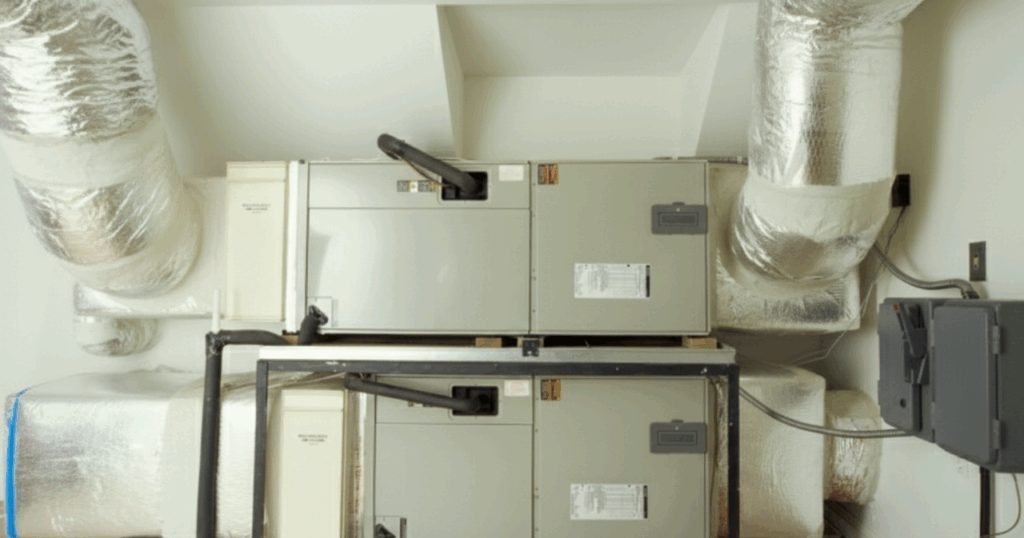
Installing the new furnace begins with preparing the space. Leveling is essential. A slight imbalance can cause vibrations, noise, or airflow issues. The technician checks to ensure the airflow path matches the home’s ductwork. The rest of the installation will function properly if the furnace is stable and secure.
Step 6: Connecting Ducts and Gas/Electrical Lines
This step sets up the new furnace for operation. The supply and return air ducts need to be connected and sealed. This will prevent air leakage and ensure proper operation. Gas units come with vent pipes to expel combustion fumes outside. The vents should be sealed appropriately to stop carbon monoxide from escaping. Installed and verified by the technician, high-efficiency furnace models also come with condensation drains. Gas units should be connected directly to the primary gas line in your home. The furnace must be adequately wired, grounded, and have the correct breaker size.
Step 7: Installing the Thermostat and Control Wiring
Once the mechanical connections are final, the technician begins wiring the thermostat. Some aspects need special consideration. Thermostat placement is quite critical because areas near vents, windows, or direct sunlight can lead to faulty thermostat readings. In most North Dallas houses, smart thermostats are the standard, and adherence to proper wiring procedures ensures full compatibility with the new furnace. The control wiring also connects the blower, ignition system, and the safety switches to the furnace’s control board.
Step 8: Start-Up, Testing, and Final Safety Checks
This is one of the most critical phases of the entire new furnace installation.
The technician powers up the system for the first time. They monitor ignition, check flame quality, and confirm blower operation. Airflow is measured through the duct system to ensure every room receives balanced heat. Gas lines are checked for leaks. Electrical connections are tightened. Venting is tested to make sure the exhaust moves safely outside. The thermostat is calibrated to confirm accurate communication with the furnace.
Conclusion!
A new furnace installation isn’t just about putting in a new unit; it’s the foundation for consistent comfort, efficient heating, and long-term peace of mind. When each part of the job is done correctly, the furnace delivers even heat, improved efficiency, and safe operation.
If someone is ready to upgrade their heating system and is searching for a reliable HVAC Contractor in North Dallas, Air Repair Pros is a solid choice. What sets us apart is our commitment to doing it right the first time. We’re locally owned and operated, with years of service in North Dallas and nearby communities since 1998. Our technicians are certified, experienced, and focused on 100% customer satisfaction. Ready for better heating? Call today to request a quote for professional HVAC installation!
