

Thanksgiving is the one day a year your kitchen sink works as hard as you do. There’s turkey prep, a mountain of potato peels, pans of drippings, and plate after plate of scraps once dinner wraps up. And somewhere under all of it, your garbage disposal is trying to keep up.
Most of the time it does. But plumbers don’t call the day after Thanksgiving one of the busiest days of the year for nothing. Between the holiday crowd, heavy cooking, and a few well-meaning guests helping with the dishes, disposals and kitchen drains take a beating from late November through Christmas.
As a locally owned plumbing company in Frisco, we’d honestly rather you never need to call us on a holiday. So here’s what we tell our own friends and neighbors before they host: what your disposal can and can’t handle, how to run it the right way, and what to do (and not do) if it quits mid-cleanup.
The quick answer: Keep grease, turkey skin, bones, potato peels, and stringy vegetables out of the disposal. Run cold water before, during, and after grinding, and feed scraps in a little at a time. If it jams, turn off the power and use the hex key on the bottom of the unit, never your hand. If it leaks, smells like it’s burning, or keeps tripping the reset button, stop using it and call a plumber.
Why Garbage Disposals Break Down Over the Holidays
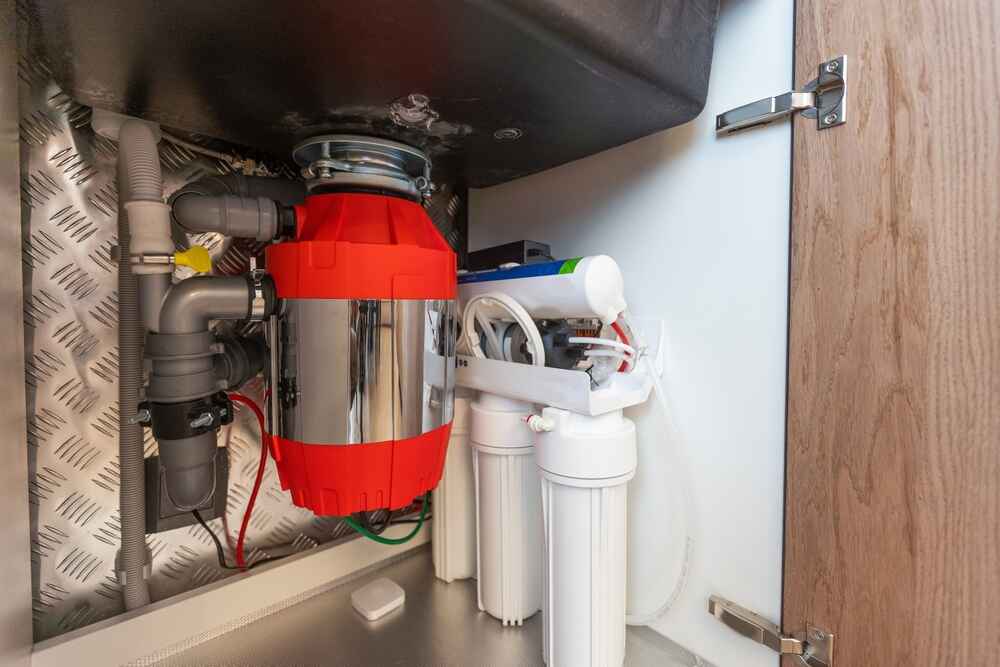
A garbage disposal is built to handle small amounts of soft food scraps throughout the day. It doesn’t actually have sharp blades. Instead, a spinning plate flings food against a grinding ring, breaking it into tiny particles that wash down the drain with water.
That system works great on a normal Tuesday. On Thanksgiving, a few things work against it:
- Volume: Hours of prep and cleanup mean the disposal runs far more than usual, often in long stretches that can overheat the motor.
- Holiday foods: Fats, starches, skins, and fibrous vegetables are exactly what disposals struggle with most, and holiday menus are full of them.
- Extra hands in the kitchen: Guests who offer to help with dishes don’t know your disposal’s limits, and a whole plate of scraps can go down in one shot.
- Older units: Many disposals in Frisco homes are pushing 10 years or more. Holiday strain is often what finally exposes a worn motor or a tired seal.
The result usually looks like one of four things: a jammed disposal, a sink that won’t drain, a motor that shuts off and won’t restart, or a slow leak under the sink you don’t notice until the cabinet floor is wet.
For more on keeping your home’s plumbing in good shape all year, check out plumbing in Frisco, TX: the complete homeowner’s guide.
What Not to Put in Your Garbage Disposal (Holiday Edition)
If you only read one part of this article, make it this one. Print it, screenshot it, or stick it on the fridge before your guests show up.
| Holiday Food | Why It Causes Trouble | Where It Should Go |
| Turkey drippings, pan grease, butter | Goes down as liquid, then hardens in your pipes and catches everything behind it | Let it cool in a can or jar, then toss it in the trash |
| Turkey skin and fat trimmings | Rubbery and greasy; wraps around the grinding plate | Trash |
| Turkey and ham bones | Too hard to grind; can jam or damage the unit | Trash (or save for stock) |
| Potato peels and mashed potatoes | Starch turns into a thick paste that clogs the drain trap | Trash or compost |
| Celery, asparagus, onion skins, corn husks | Long fibers wrap around moving parts and stall the motor | Trash or compost |
| Stuffing, rice, pasta, bread | Absorbs water, swells, and packs into the drain | Trash |
| Pumpkin pulp and seeds | Stringy and slippery; builds up in the drain | Trash, compost, or roast the seeds |
| Cranberries and fruit pits | Pits are too hard; whole cranberries can lodge in the chamber | Trash |
| Eggshells and coffee grounds | Turn into a gritty sludge that settles in the pipes | Trash or compost |
| Twist ties, foil, plastic wrap, butcher string | Not food, and a common cause of holiday jams | Trash |
What’s actually okay in small amounts: Soft scraps left on plates, small bits of cooked vegetables, and small pieces of soft fruit. Even then, scrape plates into the trash first and only rinse the leftovers into the disposal.
Our best holiday tip: Set a trash can or a lined bowl right next to the sink while you cook and clean. When it’s easy to scrape scraps into the trash, far fewer big scraps end up down the drain.
How to Use Your Garbage Disposal on a Big Cooking Day
How you run the disposal matters just as much as what goes in it.
Use Cold Water, Not Hot
This one surprises a lot of people. Hot water melts fat so it slides past the disposal, but it cools and hardens farther down your drain line. Cold water keeps any fat solid so it can be chopped up and flushed through. Save the hot water for washing dishes, not for running the disposal.
The Right Way to Run It
- Turn on a steady stream of cold water.
- Switch the disposal on.
- Feed scraps in slowly, a small handful at a time.
- Listen for the sound to change from grinding to a smooth whir. That means the chamber is empty.
- Let the cold water run for another 15 to 30 seconds to flush everything through the pipes, then turn off the disposal and the water.
Give It a Break
On a heavy day, run the disposal in short sessions instead of leaving it on for minutes at a time. Older and smaller motors can overheat, which trips a built-in safety switch and shuts the unit down right when you need it.
Don’t Overload the Sink Drain
If you have a double sink, try to drain big pots of water (like potato or pasta water) through the side without the disposal, a little at a time. Dumping a full stockpot of starchy water at once can overwhelm a drain that’s already working hard.
Keep Hands Out
This sounds obvious, but holiday kitchens get crowded and distracting. Never reach into the disposal, even if you think it’s off. Use tongs or pliers to grab anything that falls in, and keep kids away from the switch. If your disposal is controlled by a wall switch near other switches, consider a quick piece of tape or a label so guests don’t flip it by mistake.

Garbage Disposal Stopped Working on Thanksgiving? Try This First
Before you call anyone, a few safe checks can get many disposals running again. Always start by turning off the wall switch. For anything that involves reaching under or into the unit, switch off the breaker too.
1. It Hums but Won’t Spin
A humming sound means the motor is getting power but the grinding plate is stuck. This is the most common holiday problem.
What to Do:
- Turn off the switch and the breaker.
- Look on the very bottom of the disposal for a small hexagonal hole in the center.
- Insert a 1/4-inch hex key (many disposals come with one, sometimes taped to the side of the unit) and work it back and forth until it turns freely in a full circle.
- Use tongs or pliers to pull out whatever was causing the jam.
- Press the reset button on the bottom of the unit, turn the breaker back on, run cold water, and test it.
2. Nothing Happens at All
No hum, no sound, nothing. The motor likely overheated and tripped its safety switch.
What to Do:
- Wait about 10 minutes for the motor to cool.
- Press the red reset button on the bottom of the unit.
- Check your breaker panel and any GFCI outlet under the sink or on the kitchen counter.
- If it still won’t turn on, the switch or motor may have failed. That’s time to call a plumber.
3. The Disposal Runs but the Sink Won’t Drain
If the disposal spins fine but water is backing up, the clog is in the drain line or the P-trap under the sink, not in the disposal itself. On Thanksgiving, it’s usually grease, potato peels, or starch.
What to Do:
- Run the disposal for a few seconds with cold water to make sure the chamber is clear.
- If you have a double sink, plug the side without the disposal and try a sink plunger on the disposal side.
- Skip the chemical drain cleaner. It can damage the disposal’s seals and pipes, and it makes things dangerous if a plumber needs to open up the drain later.
4. Water Is Leaking Under the Sink
Check where the water is coming from. A leak at the top usually means the sink flange seal has loosened. A leak at the side often comes from the dishwasher hose or drain pipe connection. A leak from the bottom of the unit is usually a worn internal seal.
What to Do: Put a bucket or towel under the leak, stop using the disposal, and call a plumber. Loose connections are often a quick fix, but a leak from the body of the unit is something we’ll need to look at.
Waiting on help? Our 24/7 plumbing SOS guide walks you through what to do before the plumber arrives.
When to Call a Plumber
Some disposal problems are a quick DIY fix. Others aren’t worth the risk, especially with a houseful of guests. Stop and call a plumber if:
- You smell something burning or see smoke
- The reset button keeps tripping after you’ve cleared the jam
- Water is leaking from the body of the disposal
- You hear metal grinding or clanking even when the chamber is empty
- The sink stays clogged after you’ve cleared the disposal
- Water backs up into the other side of the sink or into the dishwasher
- The disposal or its switch has any wiring problems
Repair or Replace? Here’s Our Honest Take
We’ll be straight with you: a disposal that quits on Thanksgiving doesn’t automatically need to be replaced. A lot of the holiday calls we get come down to a jam, a clogged drain line, or a loose connection, and all of those can be repaired.
When we come out, we’ll check the disposal, the drain, the electrical connection, and the plumbing connections. Then we’ll walk you through every option and what each one costs. A repair usually makes sense when:
- It was a one-time jam that cleared up
- There’s a leak at a connection, rather than the unit itself
- The clog was in the drain line, not the disposal
Replacement starts to make more sense when the unit is leaking from its body, the motor keeps overheating or tripping, it’s rusted or cracked, or it’s well past 10 years old and struggling with everyday scraps. Even then, we’ll explain why and let you make the call. No pressure, no upselling.
If you do need a new unit, we’ll help you choose one that fits how your household actually cooks, not just the most expensive option. Learn more about our garbage disposal repair service, or see everything our kitchen plumbing team handles, from sink drains to dishwasher hookups.
After the Holiday: Clean Your Disposal Before Christmas
Thanksgiving is round one. Between holiday parties, Christmas dinner, and family in town, your disposal has another busy stretch coming. A quick clean-up and check now helps it make it through the rest of the season.
- Scour it with ice: Drop a handful of ice cubes and a tablespoon of coarse salt into the disposal, run cold water, and turn it on. The ice knocks residue off the grinding parts.
- Freshen it up: Grind a few small pieces of lemon or orange peel with cold water to cut down on odors. Keep the pieces small.
- Clean the splash guard: The rubber flaps at the top of the drain trap a surprising amount of grime. Scrub the underside with an old toothbrush and dish soap (with the power off).
- Check under the sink: Look and feel for dampness, drips, or water stains on the cabinet floor. Catching a small leak now is much cheaper than fixing a swollen cabinet later.
- Notice how it sounds: If the disposal is louder than it used to be, slower to clear, or making new noises, get it checked before Christmas instead of during it.
It’s worth knowing, too, that North Texas has hard water. Over time, mineral buildup can affect your disposal, faucets, and pipes. If you’re cleaning scale off your fixtures regularly, it may be worth asking about water treatment options during your next service visit.
Frequently Asked Questions
Can I put turkey grease down the garbage disposal if I run hot water with it?
No. Hot water only moves the grease farther down your drain line, where it cools, hardens, and builds into a clog. Pour cooled grease into an old can or jar and throw it away.
Can a garbage disposal handle potato peels?
A few small peels usually won’t hurt, but a whole bag’s worth from Thanksgiving prep can turn into a thick paste that clogs the drain. Peel potatoes over the trash or a bowl instead.
Why is my garbage disposal humming but not working?
Something is jammed in the grinding chamber. Turn off the power, use a 1/4-inch hex key in the slot on the bottom of the unit to free it, remove the debris with tongs, and press the reset button.
Can I run my disposal nonstop while I’m cleaning up after dinner?
It’s better to run it in short bursts. Long, continuous use can overheat the motor and trip its safety shutoff, especially on older or smaller units.
Should I use a chemical drain cleaner if my kitchen sink is clogged?
We don’t recommend it. Chemical cleaners can damage the disposal’s seals and your pipes, and they rarely clear grease and food clogs completely. A plunger or a call to a plumber is the safer route.
How long does a garbage disposal last?
Most last around 8 to 12 years, depending on the unit and how it’s used. Heavy use and hard water can shorten that. A disposal that keeps jamming, leaking, or tripping the reset button is showing its age.
Is a broken garbage disposal an emergency?
It is if water is leaking, you smell burning, or your sink is backing up and you need the kitchen. A disposal that simply won’t turn on but isn’t leaking can usually wait for a regular appointment.
Final Thoughts
A little planning keeps your garbage disposal from becoming the main event this Thanksgiving. Keep grease and tough scraps in the trash, run cold water, go easy on the volume, and know how to reset the unit if it quits. Most of the time, that’s all it takes to get through the holidays without a plumbing headache.
If something does go wrong, Air Repair Pros is here to help. We’ve been serving Frisco and North Dallas since 1998, and we’re still a small, locally owned team that treats your home like it’s our neighbor’s, because it usually is. You’ll get an honest diagnosis, every option laid out, and 24/7 emergency service when the holidays don’t go as planned.
Explore our plumbing services in your area and contact us today to schedule a service.