
Choose an HVAC Installation Contractor Who Sizes, Installs, and Tests the System Correctly
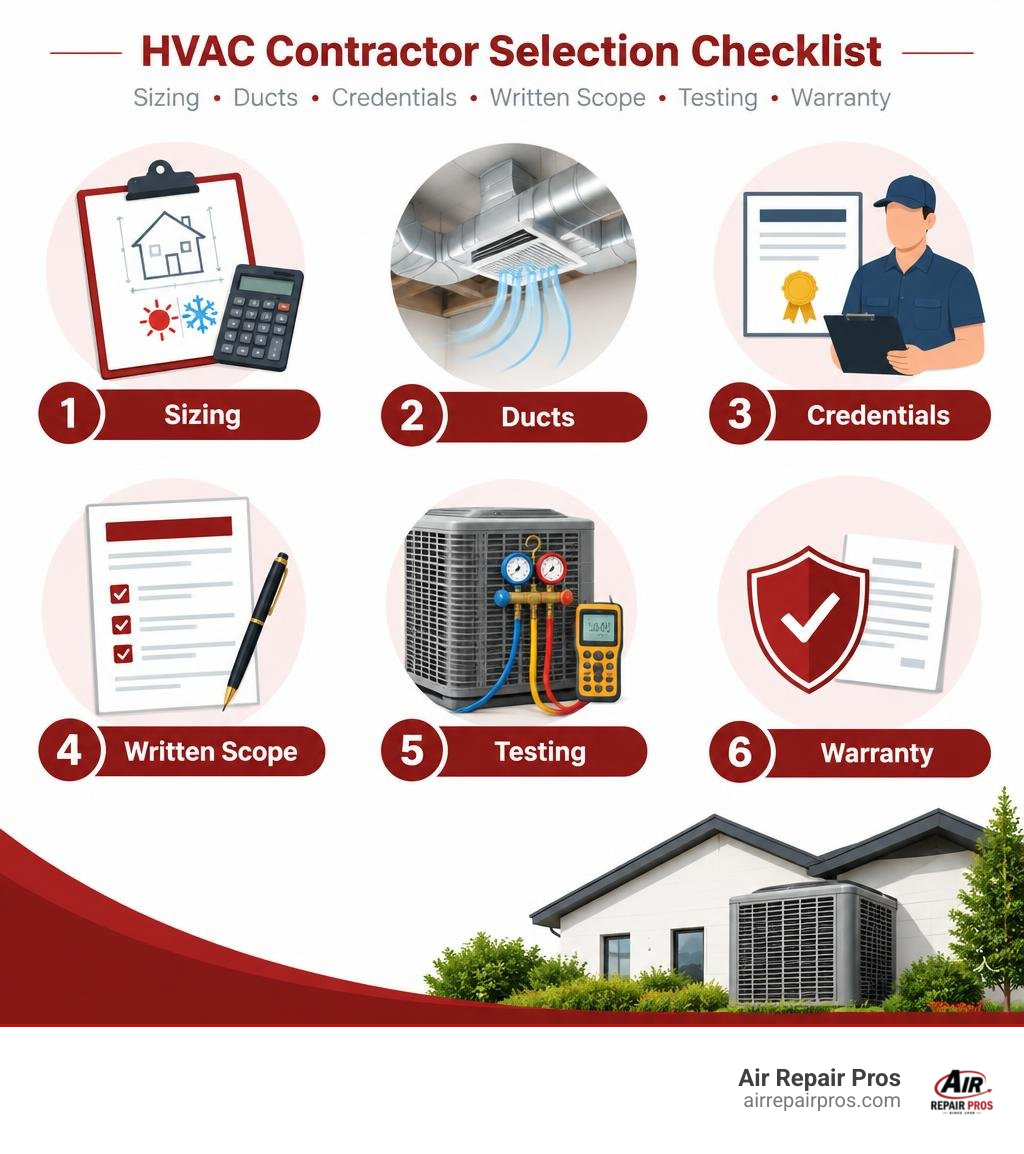
To hire the right HVAC installation contractor in North Dallas, TX, choose a company that will:
- Perform a Manual J load calculation instead of sizing equipment by square footage alone.
- Inspect ductwork, airflow, electrical needs, and drainage before giving a final recommendation.
- Provide a written, itemized scope that explains the equipment, permits, warranty, and installation work.
- Verify licensing, insurance, technician certifications, and a clear workmanship guarantee.
- Commission and test the new system after installation, not simply turn it on and leave.
A new HVAC system should fit your home, your ductwork, and North Texas weather. An oversized AC can short cycle, waste energy, and remove less humidity. An undersized unit may run nonstop during a North Dallas, TX summer without keeping every room comfortable.
The right contractor helps you compare central AC, heat pumps, and ductless options based on comfort needs, efficiency, and the condition of your existing system. This comprehensive guide explains what to check before you sign an installation agreement.
Key Signs It Is Time to Replace vs. Repair Your HVAC System
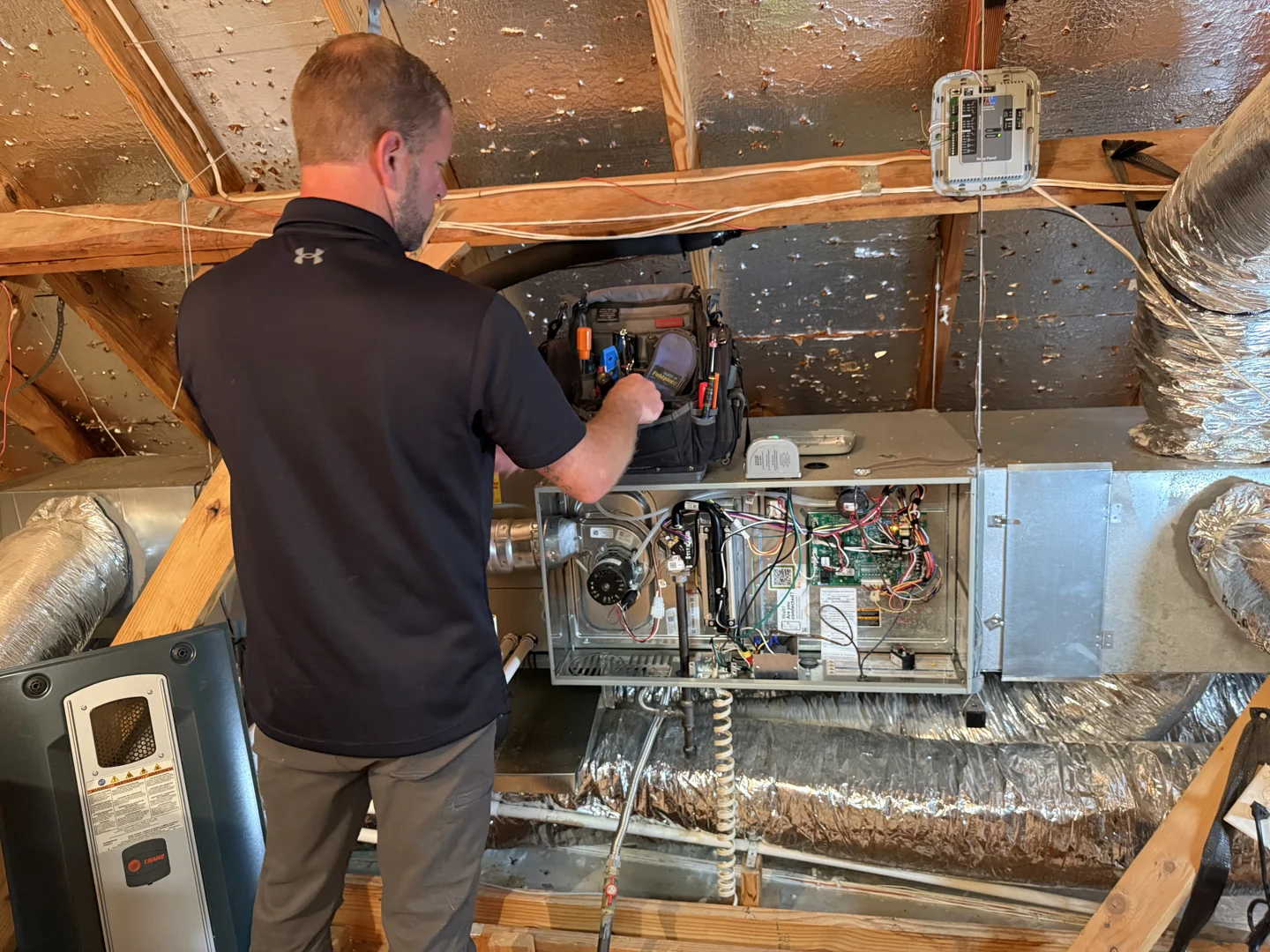
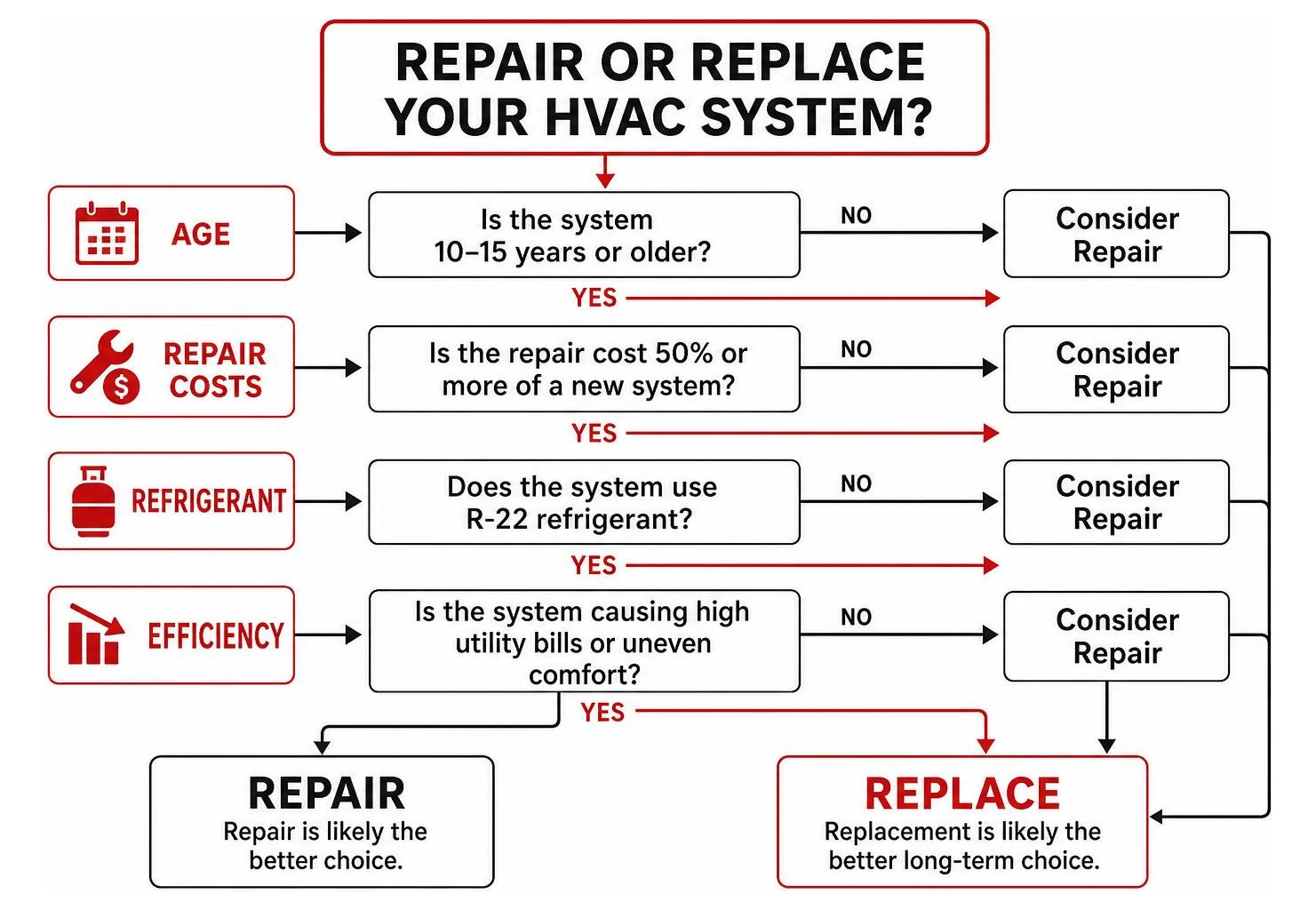
Homeowners in North Dallas, TX often face the difficult choice between repairing a malfunctioning cooling system or investing in complete equipment replacement. Most residential air conditioning systems have an expected operating lifespan of 10 to 15 years under regional weather demands. When equipment reaches this threshold, mechanical fatigue accelerates, causing performance to drop and operational costs to rise.
Deciding whether to continue fixing an aging unit requires evaluating several mechanical and financial metrics:
- The 50% Repair Rule: If a proposed repair estimate equals or exceeds 50% of the cost of a completely new cooling system, full system replacement is generally the more sound financial path.
- Frequency of Breakdowns: Requiring multiple major repairs over consecutive cooling seasons indicates widespread mechanical degradation across critical electrical and refrigeration components.
- Escalating Utility Bills: Unexplained increases in summer electric usage usually indicate that internal parts are losing operating efficiency.
- Obsolete Refrigerant: Older units relying on phased-out R-22 refrigerant carry severe repair expenses whenever leaks develop, as supplies are strictly regulated and scarce.
- Uneven Room Temperatures: When specific zones remain humid or warm despite constant operation, the system can no longer move air or extract heat effectively.
- Major Component Failure: Critical mechanical breakdowns, such as a seized compressor or cracked heat exchanger, often render repairs uneconomical.
Evaluating these signs early prevents sudden total outages during extreme heat waves. Reviewing a comprehensive air conditioner repair vs. replacement evaluation provides valuable insight into your equipment’s current mechanical condition.
Evaluating System Age and Operational Reliability
As cooling equipment ages past a decade of continuous service in Texas, internal components undergo substantial thermal and mechanical stress. Outdoor condenser coils face prolonged exposure to high ambient temperatures, windborne debris, and intense solar radiation. Over time, electrical contactors pit, fan motors lose rotational velocity, and internal compressor valves wear down.
This natural depreciation leads to recurring operational failures during peak summer afternoons when your home requires cooling the most. Older compressors struggle to start against high head pressures, leading to blown capacitors or tripped breakers. Choosing to replace a chronically failing system restores home reliability and eliminates the safety hazards of running deteriorating electrical hardware.
Calculating Energy Waste from Aging Equipment
Older cooling units experience progressive efficiency losses caused by internal coil fouling, degraded motor windings, and mechanical friction. An aging, poorly maintained system can consume 20% to 40% more electricity than a modern replacement operating at current manufacturing standards.
When homeowners modernize their homes by evaluating 18 SEER air conditioner efficiency, they replace degraded fixed-speed equipment with variable-capacity technology. Upgrading from an inefficient, worn system to modern high-efficiency hardware cuts power draw significantly, reducing the strain on home electrical infrastructure while producing steady indoor temperatures throughout the hottest months of the year.
Comparing HVAC System Types and Efficiency Ratings
Selecting the correct heating and cooling architecture requires understanding how different equipment configurations perform in regional climates. Modern systems are rated under updated testing protocols, including SEER2 (Seasonal Energy Efficiency Ratio 2) for cooling efficiency and HSPF2 (Heating Seasonal Performance Factor 2) for heat pump heating performance. The U.S. Department of Energy establishes these regional testing standards through the DOE Building Technologies Office, ensuring systems are evaluated under authentic static pressure conditions.
| System Type | Primary Heating Source | Cooling Method | Best Application | Efficiency Metric |
|---|---|---|---|---|
| Central Split System | Natural Gas Furnace or Electric Air Handler | Central Outdoor Condenser | Traditional homes with existing duct networks | Up to 20+ SEER2 |
| Air-Source Heat Pump | Reversing Refrigerant Circuit with Electric Auxiliary | Variable-Speed Compressor | Homes seeking all-electric heating and cooling | High SEER2 / HSPF2 |
| Ductless Mini-Split | Inverter Heat Pump | Multi-Zone Wall or Ceiling Cassettes | Additions, retrofits, and homes without ducts | Premium SEER2 Ratings |
| Dual-Fuel System | Gas Furnace paired with Electric Heat Pump | High-Efficiency Condenser | Maximum efficiency across varying outdoor temperatures | Optimized Gas / Electric Hybrid |
Central Split Systems vs. Modern Heat Pumps
Traditional central split configurations pair an outdoor condensing unit with an indoor gas furnace or electric air handler. The outdoor unit compresses refrigerant to expel heat absorbed from the home’s interior, while the indoor furnace provides robust thermal output during cold winter snaps. This configuration remains widely utilized across North Dallas, TX due to the availability of natural gas infrastructure and proven performance during severe temperature drops.
In contrast, modern heat pump installations utilize advanced reversing valves to provide both heating and cooling from a single, fully electric outdoor unit. Modern inverter-driven heat pumps modulate their output smoothly rather than turning fully on or off, maintaining precise temperatures and managing indoor humidity with exceptional electrical efficiency across diverse weather conditions.
Ductless Mini-Splits for Targeted Zoning
Ductless mini-split systems deliver conditioned air directly into individual rooms without passing through concealed attic ductwork. Each indoor unit connects to a compact outdoor compressor via small refrigerant lines, electrical cabling, and a condensate drain tube. This architectural design makes ductless systems an ideal match for:
- Enclosed patio conversions and sunroom additions.
- Historic properties or older homes without attic space for ductwork.
- Garage workshops and detached home offices.
- Specific rooms that remain persistently uncomfortable with central air.
Variable refrigerant flow allows each zone to be controlled independently, preventing the energy waste of conditioning unoccupied spaces in your home.
7 Essential Criteria for Selecting an HVAC Installation Contractor
Choosing an installation partner requires thorough vetting to ensure your new investment is installed to strict manufacturer and safety specifications. Complete system longevity depends heavily on the precision of the initial setup.
- Active State Licensing and Comprehensive Insurance: Technicians must hold active credentials through state regulatory bodies, backed by general liability and workers’ compensation coverage.
- Mandatory Load Calculations: Reliable professionals never size cooling equipment solely by square footage; they calculate exact heat gains using engineering software.
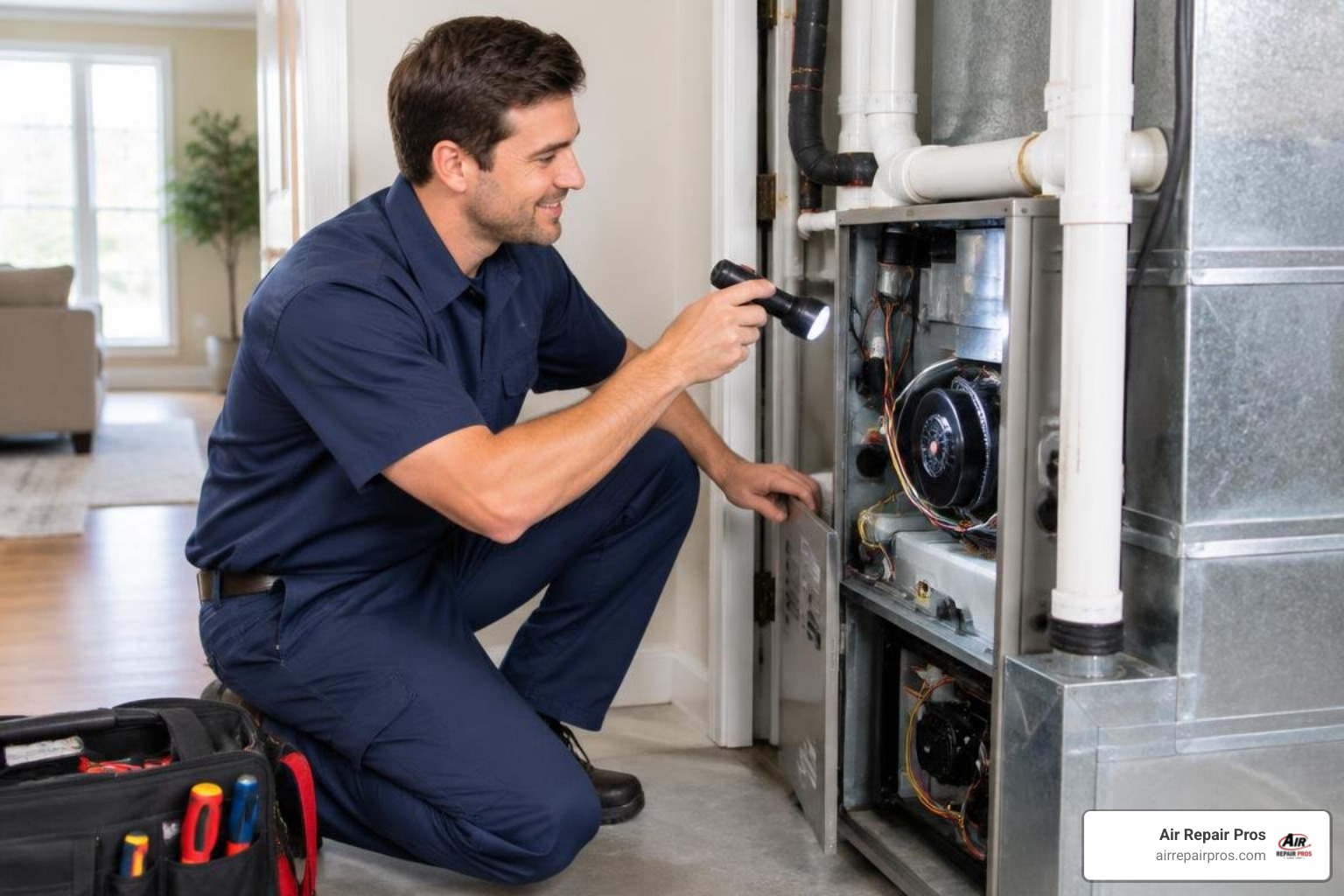
- Thorough Ductwork and Airflow Assessment: Installers should inspect duct integrity, return grille sizing, and static pressure before recommending equipment tonnage.
- Itemized, Transparent Estimates: Quotes must outline exact model numbers, electrical modifications, permit fees, and specific scopes of labor.
- Permit Compliance and Local Code Adherence: Responsible contractors pull necessary municipal permits to ensure all safety standards are met and inspected.
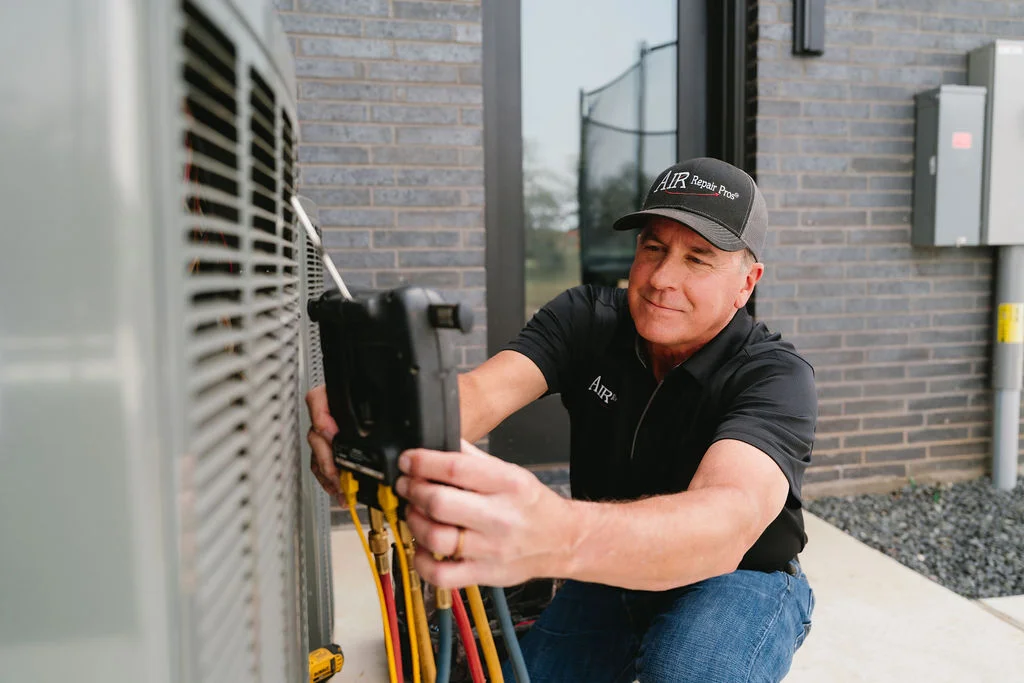
- Complete Commissioning Protocols: Technicians must measure refrigerant charge, airflow volume, and static pressure after installation rather than performing a simple on-off test.
- Documented Labor and Workmanship Guarantees: Look for explicit written guarantees covering the installation labor in addition to the standard manufacturer parts warranty.
Investing time to verify these standards protects your home from premature system failures. Scheduling professional air conditioning installation ensures every component is matched and calibrated for peak efficiency.
Verifying Licenses, Insurance, and HVAC Installation Contractor Credentials
A qualified HVAC installation contractor maintains proper credentials to ensure compliance with strict environmental and building codes. In Texas, heating and cooling contractors must be licensed through the Texas Department of Licensing and Regulation (TDLR), which mandates passing rigorous trade examinations and holding commercial liability insurance.
Technicians handling refrigerants must also carry EPA Section 608 certification under the Clean Air Act, administered by the U.S. Environmental Protection Agency, ensuring proper recovery, evacuation, and charging protocols. Hiring a fully insured company protects you from liability if an accidental property damage event or workplace injury occurs during installation.
Ductwork Assessment and Airflow Engineering
A high-efficiency cooling system cannot perform correctly if connected to restrictive, leaking, or improperly sized ductwork. Flexible ducts installed in unconditioned attics can deteriorate, develop tears, or sag over time, allowing conditioned air to escape into the attic while pulling in dusty, hot air.
During an installation assessment, technicians evaluate:
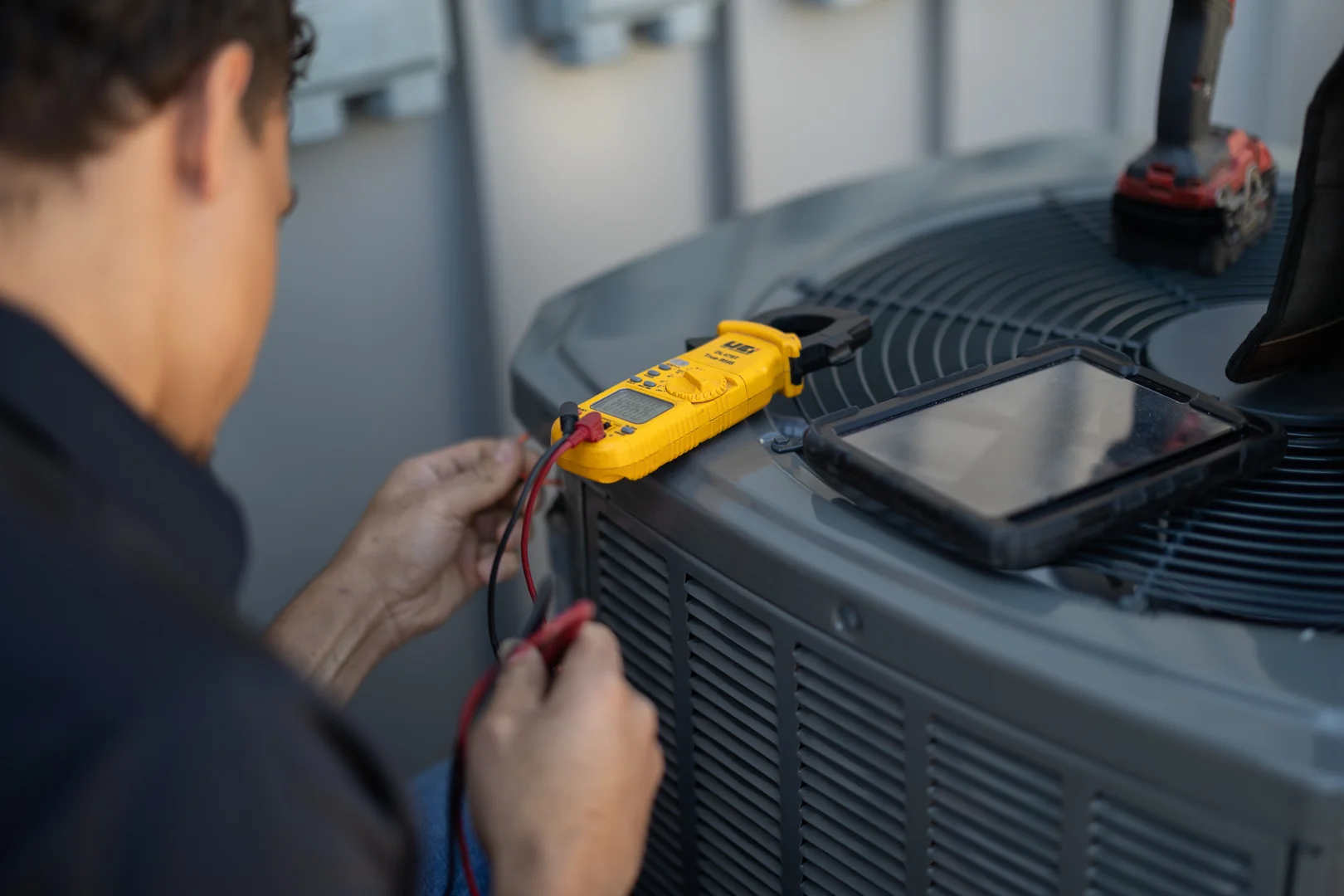
- Static Pressure Levels: Measuring resistance within the supply and return plenums to prevent blower motor burnout.
- Return Air Capacity: Verifying that the return air grilles are large enough to feed sufficient airflow back to the evaporator coil.
- Duct Leakage Rates: Identifying disconnected joints or unsealed boots that undermine overall system efficiency.
- Air Balancing: Ensuring duct runs are properly proportioned to distribute even temperatures across all living spaces.
Correcting ductwork deficiencies during equipment replacement ensures your new unit operates at its rated efficiency and delivers balanced indoor comfort.
Questions to Ask an HVAC Installation Contractor Before Signing
- Will you perform a comprehensive Manual J calculation before selecting my equipment size?
- Are municipal permits included in the written estimate, and will you coordinate final city inspections?
- What specific commissioning checks do you perform after the installation is complete?
- Do your technicians carry EPA certifications and ongoing manufacturer training?
- What labor guarantees do you provide beyond the standard manufacturer parts warranty?
- How will you protect my home’s interior, flooring, and landscaping during equipment changeouts?
Understanding Installation Costs, Sizing, and Financing
Properly planning for a cooling and heating upgrade requires understanding the balance between system capacity, energy performance, and upfront investment. Selecting an oversized unit to ensure fast cooling is a common mistake; oversized units drop temperatures too quickly without running long enough to pull humidity from the air, leaving rooms feeling clammy and cold.
The Importance of Manual J Load Calculations
Accurate equipment sizing relies on the industry standard Manual J calculation protocol developed by the Air Conditioning Contractors of America (ACCA). This engineering assessment evaluates the precise thermal characteristics of your specific home rather than relying on rough estimates based on square footage.
A proper Manual J calculation accounts for:
- Total square footage and ceiling heights across all zones.
- Window styles, glass coatings, frame materials, and sun orientation.
- Wall, ceiling, and attic insulation values.
- Building envelope air infiltration rates.
- Internal heat loads generated by lighting, appliances, and occupants.
- Regional climate extremes and design temperatures.
By analyzing both sensible heat (temperature) and latent heat (humidity), the calculation establishes the exact equipment tonnage required for balanced, continuous comfort.
HVAC Replacement Cost Factors and Budgeting
Total investment for a heating and cooling replacement depends on equipment efficiency ratings, physical configuration, and necessary home modifications. High-efficiency variable-capacity systems require advanced communicating controls and electrical connections, which factor into total installation costs.
Homeowners can take advantage of various financing options and payment plans to spread installation investments into manageable monthly payments, often with promotional interest rates. When upgrading an aging heating system alongside cooling equipment, coordinating a professional furnace installation maximizes labor efficiency and ensures all components operate as a matched system. Upgrading to high-efficiency equipment also qualifies homeowners for federal energy tax credits, helping offset project costs while lowering monthly electric bills.
Frequently Asked Questions About HVAC Installation
How do I know if my HVAC system needs replacement instead of repair?
Replacement is generally recommended when a system is over 10 to 15 years old, faces repair costs exceeding 50% of its total value, suffers recurring compressor failures, or relies on obsolete R-22 refrigerant. Persistent hot spots and steadily increasing utility bills also indicate that internal components are wearing out.
What size HVAC system does my North Dallas, TX home need?
The correct equipment capacity must be determined through an ACCA Manual J load calculation rather than general rules of thumb based on square footage. The assessment considers insulation levels, window placement, ceiling height, and sun exposure to identify the exact cooling and heating tonnage needed for your layout.
Why is a Manual J load calculation essential before installation?
A Manual J calculation prevents both oversizing and undersizing equipment. Oversized systems short cycle, which spikes energy bills, wears out electrical parts, and leaves high humidity indoors. Undersized systems run constantly during peak summer heat without reaching the setpoint on your thermostat.
What is the typical cost range for a full HVAC system replacement?
The overall investment varies based on equipment size, efficiency ratings (SEER2), system configuration, ductwork modifications, and electrical needs. Premium multi-stage or variable-capacity systems carry higher upfront costs than standard single-stage units, but they deliver lower monthly energy bills and quieter operation.
How much can a high SEER2 rating save on monthly cooling bills?
Upgrading from an older, degraded system to a modern high-efficiency SEER2 unit can reduce cooling-related electrical consumption by 20% to 40%. These ongoing energy savings help recover the initial investment over the operating life of the equipment.
What is the difference between a traditional heat pump and a central split system?
A traditional central split system typically combines an outdoor AC condenser with an indoor gas furnace. A heat pump uses a specialized reversing valve to provide both heating and cooling from a single electric outdoor unit, moving heat outdoors during summer and extracting ambient outdoor heat to warm the home in winter.
How long does a standard residential HVAC installation take?
Most standard residential system changeouts are completed within a single working day, typically taking between 4 and 8 hours. Projects that involve extensive ductwork replacement, electrical panel upgrades, or zoning modifications may require additional installation time.
Should I replace my ductwork when installing a new HVAC unit?
Ductwork should be inspected and evaluated during the initial estimate. If your existing ducts are deteriorated, undersized, leaking air into the attic, or failing static pressure checks, repairing or replacing them ensures your new system delivers its rated airflow and efficiency.
What warranties and labor guarantees should come with a new system?
Most major equipment manufacturers offer a 10-year limited parts warranty upon timely product registration. Reputable installation companies supplement this with their own written workmanship and labor guarantees to protect your investment if installation-related issues arise.
Can I finance my new HVAC replacement with zero down?
Yes, many certified contractors offer flexible financing programs for qualified homeowners. These options often include zero-down payment promotions, low monthly payment structures, and promotional interest terms that allow you to replace failing equipment without delaying for budget reasons.
Conclusion
Upgrading your home’s heating and cooling system is a major investment in your property’s long-term comfort, indoor air quality, and energy efficiency. Choosing an experienced contractor who performs accurate load calculations, inspects your ductwork, and completes thorough system testing ensures your equipment delivers reliable performance through demanding Texas summers.
Air Repair Pros has provided dependable HVAC and residential plumbing solutions across Frisco, TX, McKinney, TX, Plano, TX, Little Elm, TX, and Allen, TX since 1998. Our certified technicians arrive in fully stocked service vehicles carrying over 85% of standard parts for swift one-trip service, supported by 24/7 emergency response. When you are ready to modernize your home comfort, contact our professional AC installation technicians to schedule a comprehensive in-home assessment.