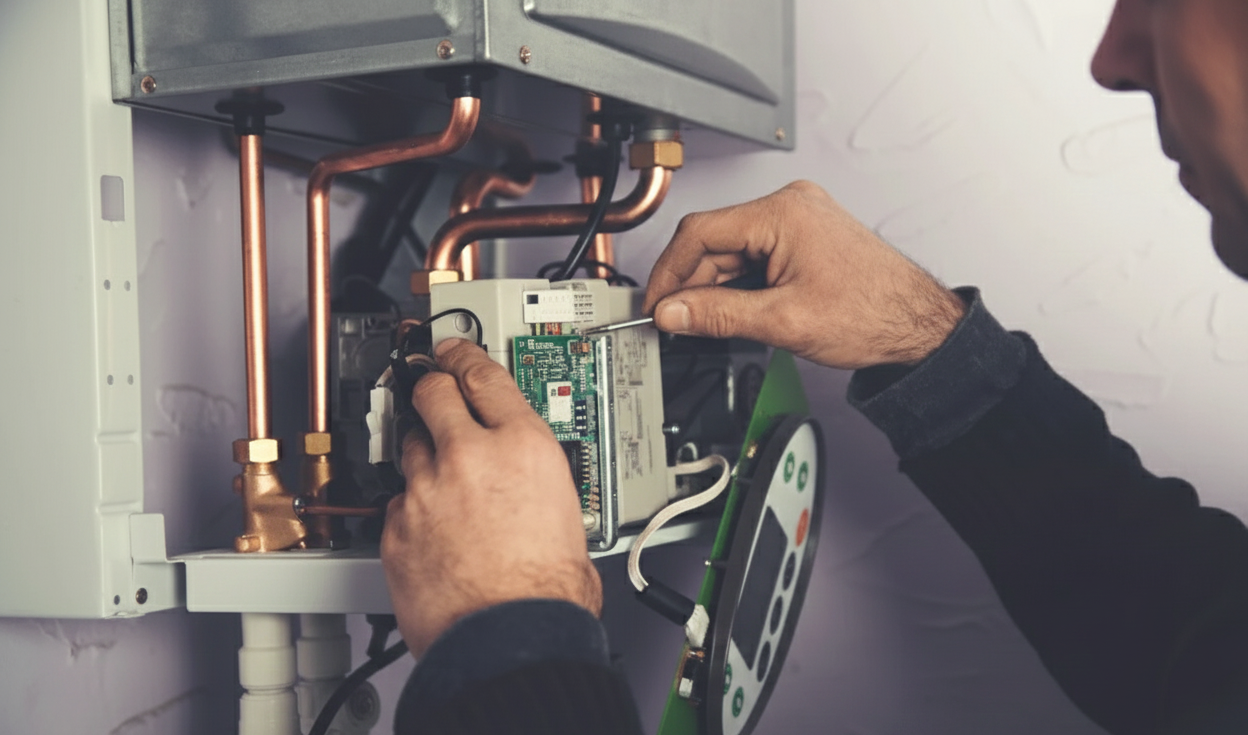
There are several ways a heater can fail. Sometimes, it’s a faulty thermostat, an airflow blockage, or one of the other internal components starting to fail; issues like this impact performance well before the system is entirely shut down. Most of these problems begin with minor signs. Understanding the common reasons a heater fails can help you quickly narrow down the problem and avoid unnecessary frustration during cold weather.
With timely heating repair services, most of these failures can be resolved before the damage occurs. This guide breaks down the 10 most common causes of heater failure and explains what each means, so homeowners know what to look for and when to call a professional.
What Causes a Heater to Require Heating Repair Services?
Catching problems early keeps the system running more smoothly, prevents larger breakdowns, and saves on energy costs in the long run. Some primary reasons are
1. Thermostat Settings Are Incorrect
The thermostat is the command center of the entire heating system, so a minor setting mistake can cause the heater to stop working altogether. If it’s accidentally switched to Cool, set to Fan Only, or programmed with the wrong schedule, the system won’t produce heat. This is always the first checkpoint when a heater suddenly stops responding. A quick reset to Heat mode often restores regular operation. But if the heater still doesn’t turn on, the issue may involve faulty wiring, weak batteries, or internal thermostat sensors. Noticing these thermostat problems early helps technicians diagnose common heating system failures much faster during a service visit.
2. A Dirty Air Filter Blocks Airflow
Airflow is essential for proper heating. A clogged filter restricts circulation, causing the system to overheat and shut down for safety. Before the system completely shuts down, homeowners may notice cold air or reduced airflow from the vents. Replacing the air filter often restores regular operation, and simple heating maintenance tips for Frisco homeowners can prevent this issue from recurring. However, if the unit begins short-cycling again, it usually indicates a deeper problem that requires professional inspection.
3. The Circuit Breaker Has Tripped
A power surge or electrical overload can cause the furnace breaker to trip. Resetting the breaker may restore operation temporarily, but if it shuts off again shortly after, it indicates that the system is drawing excessive power. This is a sign of an underlying electrical issue that requires professional diagnosis through heating repair services.
4. The Flame Sensor Is Dirty
Gas furnaces rely on a flame sensor to confirm that the burner has ignited. When dust or debris builds up on the sensor, it can no longer detect the flame accurately. As a result, the furnace may ignite briefly and then shut down immediately. Although the symptom can seem serious, this issue is often resolved with a simple cleaning of the sensor to restore proper operation.
5. Ignition System Problems
Older furnaces use a pilot light, while newer units rely on electronic ignitors. Both systems can fail due to dirt, drafts, or worn components. When the ignition system is unable to light the burner, the heater will remain off until the faulty part is repaired or replaced.
6. The Blower Motor Is Overheating
The blower motor is responsible for pushing warm air through the ducts. When it overheats due to mechanical strain or insufficient lubrication, the system will shut down to prevent further damage. Homeowners may notice cold air coming from the vents or the heater turning off sooner than it should. In some cases, the motor can be repaired, while more heavily worn units may need to be replaced.
7. Blocked Vents or Duct Problems
Closed vents can restrict airflow, forcing the system to work harder than necessary. This added strain may lead to overheating, poor air circulation, and uneven temperatures throughout the home. Leaking ducts also allow warm air to escape, making the heater appear weak or underperforming. These issues are common in heater troubleshooting because they’re easy to overlook yet have a significant impact on system efficiency and comfort.
8. Safety Switch Failure
Heating systems contain several safety switches designed to protect the home from potential hazards. If the furnace door is not correctly secured or a switch becomes worn, the system will automatically shut down. Although this type of shutdown may appear serious, most safety-switch failures are straightforward repairs for a qualified technician.
9. Low Refrigerant Levels (Heat Pumps Only)
Heat pumps depend on refrigerants to transfer heat effectively. When refrigerant levels drop because of a leak, the system can no longer produce adequate warm air. In many cases, the unit will run continuously but still feel like a furnace blowing cold air, even though it operates differently. Identifying and repairing the leak, followed by proper refrigerant recharge, restores the system’s heating performance.
10. The System Has Reached the End of Its Lifespan
Heating systems naturally wear down over time. Components begin to fail, motors weaken, and overall efficiency declines. When repairs become frequent or the system struggles to maintain consistent temperatures, replacement often becomes the more practical solution. Professional heating repair services can assess the system’s condition and determine whether another repair is worthwhile or if upgrading is the better long-term option.
Troubleshooting a Heater That Won’t Start: What Homeowners Should Do First?
Before calling a technician, homeowners can run a few basic checks to narrow down the cause of the issue. These simple heater troubleshooting tips resolve minor problems and help prevent the system from developing larger failures.
. Check Power Sources
First, ensure the furnace is powered on. Reset the breaker if it tripped, then check to be sure the furnace’s power switch is turned ON. If your thermostat is powered by batteries, replace them to confirm it can transmit the correct signal to the heating system.
. Look for Error Codes
Many modern heating systems display LED error codes when something goes wrong. These codes point to specific faults, such as ignition problems, airflow restrictions, or sensor failures. Noting the code before calling a professional helps speed up the repair process.
. Test a Full Heating Cycle
Set the thermostat to heat and allow the system to complete a heating cycle. If the heater cycles off too soon, gives you cold air, or can’t keep up with the temperature you set, these signs point to a serious issue that requires professional maintenance or repair assistance.
Conclusion: A Trusted Partner!
When a heating issue extends beyond a simple adjustment, professional heating repair services provide the expertise needed to restore comfort quickly and prevent minor problems from developing into costly system failures.
Air Repair Pros stands out as a trusted HVAC Contractor in North Dallas, for its attention to detail, honest insights, and dependable repair quality that support lasting comfort in every home. Schedule your heating repair today with the trusted professionals at Air Repair Pro.