

Total Installation Cost of Heat Pump Systems: Comprehensive Cost Breakdown
Planning for an electric heat pump involves balancing the initial purchase price of the equipment against the technical labor needed for proper integration. In 2026, residential HVAC technology emphasizes higher seasonal energy efficiency ratings (SEER2) and heating seasonal performance factors (HSPF2). These standards ensure that modern units transfer thermal energy efficiently, but higher-tier machinery also demands precise setup procedures to operate as intended. Understanding how system configurations differ provides clarity on what drives initial expenditures, which is essential for evaluating overall investment value.
Every home presents unique mechanical conditions. A central layout with functional air ducts requires a different setup approach than a historical residence requiring independent room-by-room conditioning. Furthermore, the overall budget splits into direct equipment costs and professional labor. Equipment generally accounts for a substantial portion of the gross total, with the remainder allocated to site preparation, electrical work, refrigeration lines, airflow balancing, and municipal permitting.
Ducted Air-Source Heat Pumps
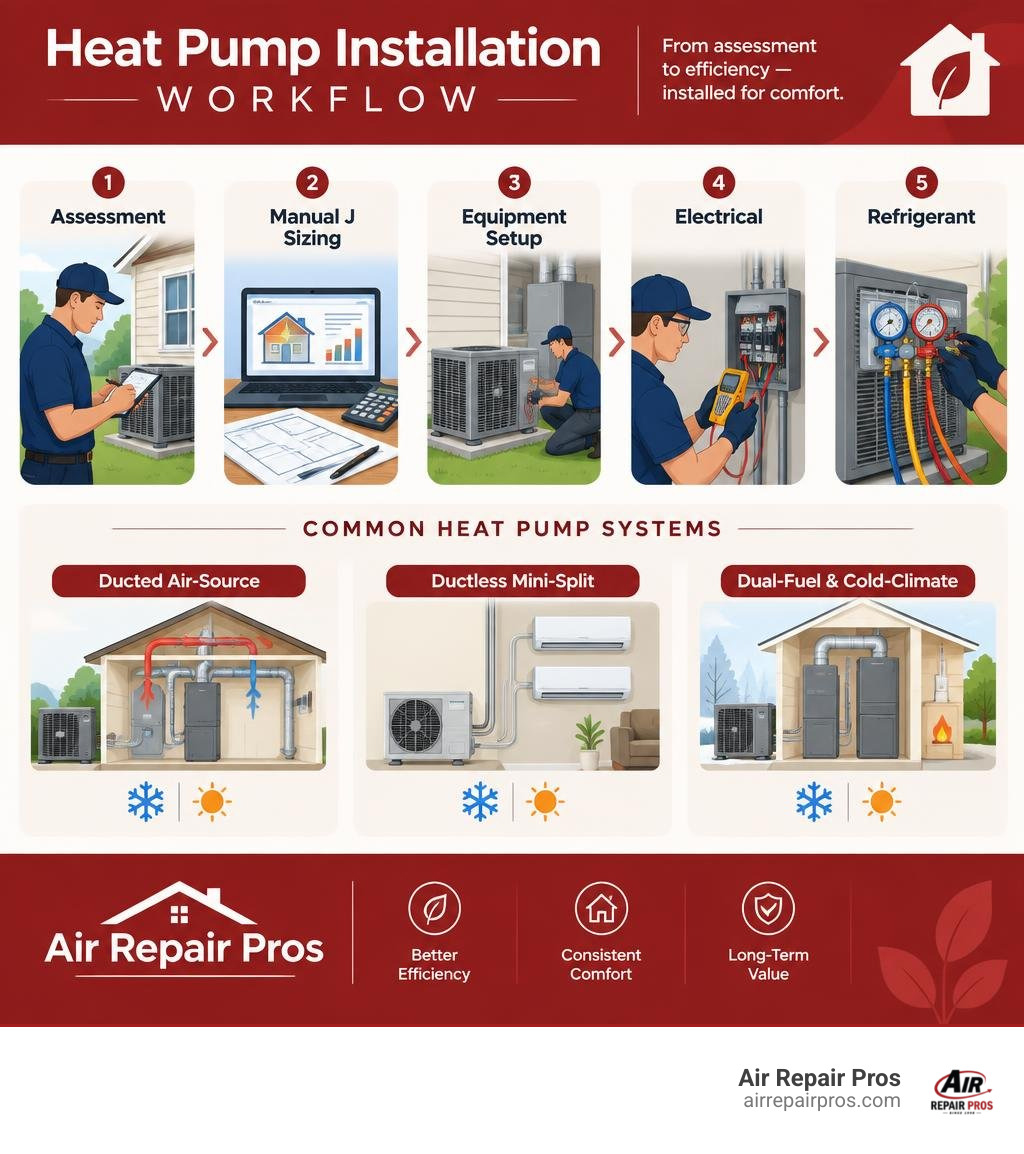
Ducted air-source heat pumps represent the most common residential configuration for central heating and AC. These systems feature an outdoor condenser paired with an indoor air handler connected to a central distribution plenum and branching supply trunks. During warm months, the system functions as a high-efficiency air conditioner by extracting indoor heat and expelling it outside. During cooler periods, the refrigeration cycle reverses, absorbing ambient heat from outdoor air and transferring it inside.
For homes with sound ductwork, installing a central heat pump involves setting the outdoor condensing unit, securing the indoor air handler, connecting matched copper refrigerant lines, and integrating system controls. However, proper performance hinges on static pressure testing. If the existing duct system is undersized or leaky, airflow resistance increases. This issue forces blower motors to work harder, accelerating component wear and undermining overall operating efficiency.
Ductless Mini-Split Systems
Ductless mini-split systems provide decentralized heating and cooling without requiring central sheet-metal ductwork. These setups utilize an outdoor compressor linked via slim conduit bundles containing refrigerant lines, condensate drain tubes, and communication cables to one or more indoor air handlers. The indoor units mount directly on walls, ceilings, or floor positions within targeted living spaces.
Mini-splits offer exceptional room-by-room temperature management, allowing homeowners to condition occupied spaces while conserving energy in unused areas. Because each indoor air handler requires individual mounting, electrical connections, and dedicated refrigerant lines, multi-zone configurations require extensive labor during setup. Technicians must carefully route lines through exterior walls, conceal conduits, and balance refrigerant charges across multiple indoor heads to ensure stable performance.
Dual-Fuel and Cold-Climate Units
In regions subject to variable weather patterns, dual-fuel systems (also called hybrid systems) combine an electric heat pump with an auxiliary gas furnace. The heat pump handles cooling and moderate heating duties with high electrical efficiency. When temperatures drop below the system’s economic balance point, controls automatically transition heating duties to the gas furnace. This dual approach optimizes fuel use and prevents electric resistance heat strips from driving up power consumption.
Conversely, advanced cold-climate heat pumps employ variable-speed inverter-driven compressors and flash-injection technology to extract ambient heat in freezing conditions. While North Texas experiences predominantly mild winters alongside severe summer heat, cold-climate systems remain an option for properties seeking complete home electrification without natural gas backups. These specialized units carry premium equipment pricing due to their complex internal electronics, variable displacement valves, and advanced controls.
Key Variables That Impact Setup Expenses and Labor Rates
Labor rates and installation complexities vary based on home architectural layouts, mechanical accessibility, and code compliance standards. HVAC technicians undergo rigorous technical training to handle pressurized low-global-warming-potential (GWP) refrigerants, high-voltage electrical circuits, and computerized airflow calibration.
Safety Notice: Attempting do-it-yourself heat pump installations poses severe safety risks, including exposure to high-voltage electrical shocks, flammable or high-pressure refrigerants, and structural water damage from improperly routed condensate drains. Professional technicians hold EPA Section 608 certifications and local mechanical licenses necessary to guarantee that high-voltage disconnects, refrigerant charges, and drainage lines meet all safety codes.
How System Sizing and Capacity Influence the Installation Cost of Heat Pump Units
Proper system capacity is fundamental to long-term reliability and comfort. Sizing should never rely on rough square-footage estimates alone. Instead, qualified professionals perform an ACCA Manual J load calculation to determine exact thermal gains and losses. This engineering calculation evaluates:
- Exterior wall and attic insulation levels
- Window orientation, pane construction, and shading
- Total home square footage, ceiling heights, and layout geometry
- Air infiltration rates and building envelope tightness
- Local climate design temperatures for winter heating and summer cooling
An undersized heat pump will struggle to maintain comfortable indoor temperatures during summer heatwaves, running continuously and accelerating component fatigue. Conversely, an oversized unit short-cycles, turning on and off rapidly. This behavior causes uneven indoor temperatures, spikes electrical demand, and fails to adequately dehumidify indoor air, creating a clammy interior environment. Larger capacity units also require heavier gauge wiring, higher amperage breakers, and larger airflow plenums, directly expanding project scope.
First-Time Setup vs. Replacement: Labor and Installation Cost of Heat Pump Projects
The distinction between a direct equipment swap and a ground-up first-time installation significantly shapes project labor. When replacing an existing air-source heat pump, much of the structural and mechanical infrastructure is already in place. Technicians disconnect the legacy hardware, flush or replace the refrigerant line set, mount the new condenser on an equipment pad, wire the indoor air handler, and commission the system. Homeowners evaluating an aging system often benefit from evaluating AC repair vs replacement in Plano, TX to determine if retrofitting newer technology delivers better economic returns than ongoing repairs.
In contrast, converting a property from a separate gas furnace and standard air conditioner to a fully electrified heat pump demands extra labor steps. Technicians must safely cap or reroute existing gas supply lines, reconfigure indoor sheet-metal transitions, upgrade electrical service to support supplemental electric resistance heat strips, and install smart thermostats capable of staging heat pump operation. First-time installations in homes lacking existing central ductwork involve extensive structural modifications, including cutting wall openings, framing soffits, and installing complete distribution trunks.
Infrastructure, Electrical Panels, and Ductwork Modifications
A primary hidden factor in heat pump conversions involves electrical panel capacity. Central heat pumps and auxiliary heating elements operate on dedicated 240-volt circuits. Older homes equipped with 100-amp electrical panels frequently lack the breaker space or incoming amperage necessary to support the simultaneous operation of a heat pump, electric water heater, cooking appliances, and vehicle chargers. Upgrading to a modern 200-amp service panel or adding an electrical subpanel represents a necessary preparatory project.
Ductwork integrity represents another critical variable. Because heat pumps deliver air at slightly lower supply temperatures than conventional fossil-fuel furnaces, they require higher volumetric airflow rates to distribute thermal energy evenly. Aging, disconnected, or uninsulated ducts located in hot attic spaces can lose substantial conditioned air. Technicians must seal duct joints with mastic, balance supply and return runs, and replace degraded flexible ducts. Proactive homeowners who understand managing repair costs and system upkeep in McKinney, TX can better plan for these essential infrastructure improvements before new equipment arrives.
Comparing Heat Pump Equipment and Labor Pricing Models
Contractors utilize structured pricing models that incorporate wholesale equipment procurement, skilled labor hours, specialty tooling overhead, insurance, and regulatory permitting. Evaluating these mechanical tiers helps homeowners understand where capital is allocated during a system transition. Detailed mechanical project estimates provide helpful conceptual frameworks for home budgeting and long-term equipment planning.
| Heat Pump System Type | Typical Capacity Range | Primary Applications | Infrastructure Requirements |
|---|---|---|---|
| Standard Ducted Air-Source | 2.0 to 5.0 Tons | Whole-home heating and AC replacement | Existing ductwork, 240V electrical circuit, concrete/composite pad |
| Ductless Mini-Split (Multi-Zone) | 1.5 to 4.0 Tons | Homes without ducts, room additions, zoned retrofits | Exterior wall penetrations, individual line sets, dedicated subpanel |
| Dual-Fuel Hybrid System | 2.5 to 5.0 Tons | Properties seeking natural gas backup efficiency | Existing gas line, central ductwork, dual-fuel compatible thermostat |
| Geothermal Ground-Source | 3.0 to 6.0 Tons | High-efficiency heating/cooling with ground loop | Substantial yard excavation, vertical/horizontal ground loops, high initial prep |
Evaluating Scope Inclusions and Quote Itemization
A comprehensive HVAC proposal should feature clear, line-item transparency rather than a vague lump-sum total. When reviewing bids, homeowners must confirm that the outlined project scope includes all necessary mechanical, electrical, and regulatory tasks:
- Complete equipment specifications, including model numbers, nominal tonnages, SEER2 cooling ratings, and HSPF2 heating ratings
- Safe recovery, removal, and EPA-compliant recycling of legacy refrigerants and old equipment
- Placement of a level composite or concrete equipment pad with vibration-isolation footings
- Installation of new UV-resistant insulated copper refrigerant line sets or thorough chemical flushing of existing lines
- High-voltage electrical disconnect box, weather-tight whip conduit, and appropriately sized circuit breakers
- Condensate drainage management, including primary PVC drain lines, clear traps, float safety switches, and emergency drain pans
- Digital programmable or smart thermostat configuration matched to heat pump stages
- Municipal building permits, electrical inspections, and full equipment startup commissioning
Homeowners seeking comprehensive home comfort solutions can consult dedicated air conditioning services and professional heating services to evaluate complete system retrofits and mechanical health across all seasons.

Spotting Underpriced and Overpriced Estimates
Wide variations between competitive bids often reflect differing scopes of work rather than arbitrary pricing markups. An unusually low quote frequently indicates omitted project components. Contractors presenting lowball bids may skip municipal permits, reuse deteriorated refrigerant lines, neglect static pressure testing, or employ untrained labor without proper liability insurance. These omissions expose property owners to premature component failures, voided manufacturer warranties, and code-compliance penalties during home resale.
Conversely, inflated quotes may incorporate excessive markups on standardized accessories or recommend unnecessarily oversized equipment. Homeowners should request written explanations for high-cost line items, such as proprietary whole-home air purifiers or specialized electrical modifications. Obtaining multiple detailed estimates from licensed, established mechanical contractors provides a reliable baseline for the regional market across North Dallas communities.
Incentives, Seasonal Scheduling, and Long-Term Energy Savings
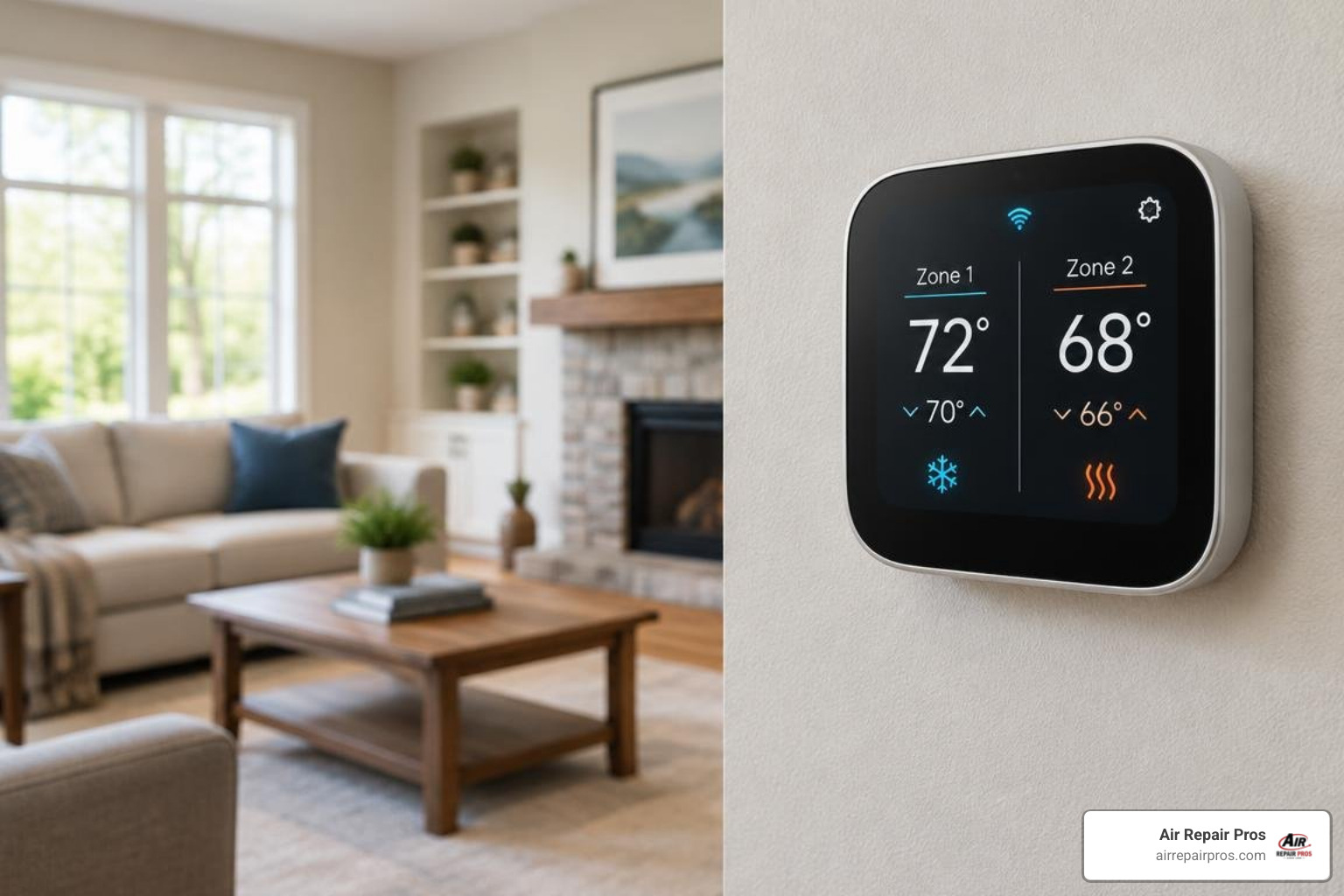
While upgrading to an electric heat pump involves capital expenditure, strategic planning and available incentives help offset upfront costs. High-efficiency heat pumps significantly lower monthly energy bills by moving heat rather than generating it through combustion or resistance elements. According to the U.S. Department of Energy, modern heat pumps can deliver up to three times more heat energy to a home than the electrical energy they consume.
Stacking State, Utility, and Electrification Rebates
Homeowners can leverage state and utility programs alongside federal electrification initiatives to reduce out-of-pocket expenses. The Inflation Reduction Act created frameworks such as the Home Electrification and Appliance Rebates (HEAR) and the Home Energy Performance-Based, Whole-House Rebates (HOMES), designed to reward energy-efficient property retrofits.
Local electric utilities also offer point-of-sale rebates or billing credits for installing high-efficiency heat pumps meeting specific SEER2 and HSPF2 criteria. Homeowners should review options for maximizing efficiency with tax credits and rebates to ensure all eligible documentation, equipment AHRI certificate numbers, and contractor commissioning reports are submitted properly.
Strategic Timing and System Maintenance
The timing of a heat pump installation can influence both contractor scheduling availability and project costs. HVAC companies experience peak demand during mid-summer heatwaves and mid-winter cold snaps, when emergency breakdowns dominate service schedules. Planning a scheduled installation during the spring or autumn shoulder seasons allows homeowners to secure flexible scheduling and take advantage of seasonal manufacturer promotions.
Once a heat pump is commissioned, consistent preventative care protects the mechanical investment and maintains high operating efficiency. Routine maintenance involves clearing outdoor coil debris, verifying refrigerant pressures, testing electrical contactors, inspecting blower assemblies, and ensuring unobstructed condensate drainage. Homeowners in Frisco, TX, can schedule routine seasonal AC maintenance to keep their systems operating smoothly before extreme weather arrives.
Similarly, residents in McKinney, TX, benefit from whole-home cooling performance checkups to ensure their heat pumps switch seamlessly between cooling and heating modes while maintaining peak efficiency.
Frequently Asked Questions About Heat Pump Installation Costs
What is the average labor-only cost to install a single heat pump?
Labor charges for a heat pump installation depend on project duration, crew size, and installation difficulty. A standard like-for-like system replacement typically requires a crew of two certified technicians working for eight to ten hours. When a project involves complex modifications, such as running new electrical wiring from the main service panel, replacing deteriorated sheet metal plenums, or rebuilding condensate drains, total labor hours expand accordingly.
How does labor cost vary between ducted and ductless heat pumps?
Ducted heat pump setups focus labor on setting large central equipment, adapting air distribution plenums, and balancing static airflow throughout the home. Ductless mini-split installations shift labor toward running individual refrigerant line sets, mounting wall or ceiling cassettes in separate rooms, and routing electrical cables through exterior walls. Installing a multi-zone ductless system with three or four indoor heads often requires more physical labor hours than replacing a single central ducted unit.
What specific factors most influence heat pump labor charges?
Labor charges are driven primarily by equipment accessibility, home layout, and structural modifications. Technicians working in cramped, unfloored attics or challenging crawl spaces require additional installation time. The need for new electrical subpanels, extended refrigerant line runs, structural framing adjustments, and municipal permitting inspections also increases labor requirements.
Are there significant regional differences in heat pump installation costs?
Installation costs vary regionally based on local labor rates, municipal building codes, permitting fees, and prevailing climate demands. In warm southern climates like North Texas, systems are sized primarily around high summer cooling loads. In northern regions, installations frequently require specialized cold-climate inverter systems or integrated dual-fuel gas backups, which demand extra mechanical components and specialized labor setup.
How can homeowners distinguish a fair heat pump installation quote?
A fair proposal provides itemized transparency. It should clearly list equipment model numbers, nominal tonnages, SEER2 and HSPF2 efficiency ratings, warranty details, permit fees, and specific labor inclusions like old system removal and startup testing. Homeowners should be cautious of vague single-lump-sum quotes or bids from contractors who do not perform a thorough Manual J load calculation before selecting equipment sizes.
What items should typically be included in a heat pump installation estimate?
A comprehensive quote should cover the indoor and outdoor equipment, electrical disconnect box, weather-tight wiring whip, level composite mounting pad, insulated refrigerant lines, primary and secondary condensate drains with safety float switches, digital thermostat integration, municipal permits, system evacuation, proper refrigerant charging, and post-installation commissioning.
Are there hidden or surprise labor costs to anticipate during installation?
Unanticipated costs typically arise from pre-existing structural, electrical, or ductwork deficiencies that are uncovered during the installation process. Common examples include finding obsolete or damaged electrical panels, discovering rotted subflooring beneath an indoor air handler, identifying deteriorated ductwork in attics, or needing to replace undersized refrigerant line sets that cannot support newer high-pressure refrigerants.
How do costs compare between a replacement and a first-time heat pump setup?
A direct equipment replacement utilizes existing electrical pathways, structural platforms, and duct networks, keeping labor focused on hardware installation and system calibration. A first-time heat pump setup requires extensive preparation, such as running new dedicated 240-volt circuits, fabricating complete duct supply and return networks, cutting exterior wall penetrations, and adding secondary drainage lines, which significantly increases total project scope.
What is the typical installation cost per ton of heating and cooling capacity?
The cost per ton scales with system efficiency ratings and internal compressor technology. Standard single-stage systems have lower baseline equipment costs per ton, while advanced two-stage and variable-speed inverter models represent a larger initial investment. However, variable-speed systems provide superior humidity control, quieter operation, and reduced electrical consumption, offsetting upfront equipment differences over time.
What are the most effective ways to reduce overall heat pump setup costs?
Homeowners can optimize project budgets by researching and stacking available utility rebates, state energy incentives, and federal electrification credits. Scheduling system upgrades during the spring or fall shoulder seasons when contractor demand is lower can also yield promotional savings. Additionally, sealing home air leaks and improving attic insulation prior to installation helps reduce overall heating and cooling loads, allowing for smaller, more cost-effective equipment sizing.
Conclusion: Making the Right HVAC Investment for Your Home
Investing in a modern heat pump provides year-round climate control, elevated energy efficiency, and long-term reliability for homes across North Dallas communities. By understanding how equipment selections, capacity calculations, electrical infrastructure, and duct conditions affect project scope, homeowners can evaluate contractor proposals with total clarity. Selecting a qualified, licensed mechanical team ensures that every safety code is met, refrigerant charges are balanced, and manufacturer warranties remain fully protected.
For dependable residential HVAC expertise in Frisco, TX, McKinney, TX, Plano, TX, Little Elm, TX, and Allen, TX, trust the certified technicians at Air Repair Pros. Serving North Texas homeowners since 1998, our fully stocked service vehicles arrive prepared with quality components to ensure prompt, professional installations and 24/7 emergency care. To explore your options and secure a tailored estimate for your home, contact our professional heat pump technicians today.