
Consumer Energy Info
Energy-efficient Air Conditioning
Are you considering buying a new air conditioner? Or, are you dissatisfied with the operation of your current air conditioner? Are you unsure whether to fix or replace it? Are you concerned about high summer utility bills? If you answered yes to any of these questions, this publication can help. With it, you can learn about various types of air conditioning systems and how to maintain your air conditioner, hire professional air conditioning services, select a new air conditioner, and ensure that your new air conditioner is properly installed.
Understanding Air Conditioners
Many people buy or use air conditioners without understanding their designs, components, and operating principles. Proper sizing, selection, installation, maintenance, and correct use are keys to cost-effective operation and lower overall costs.
How Air Conditioners Work
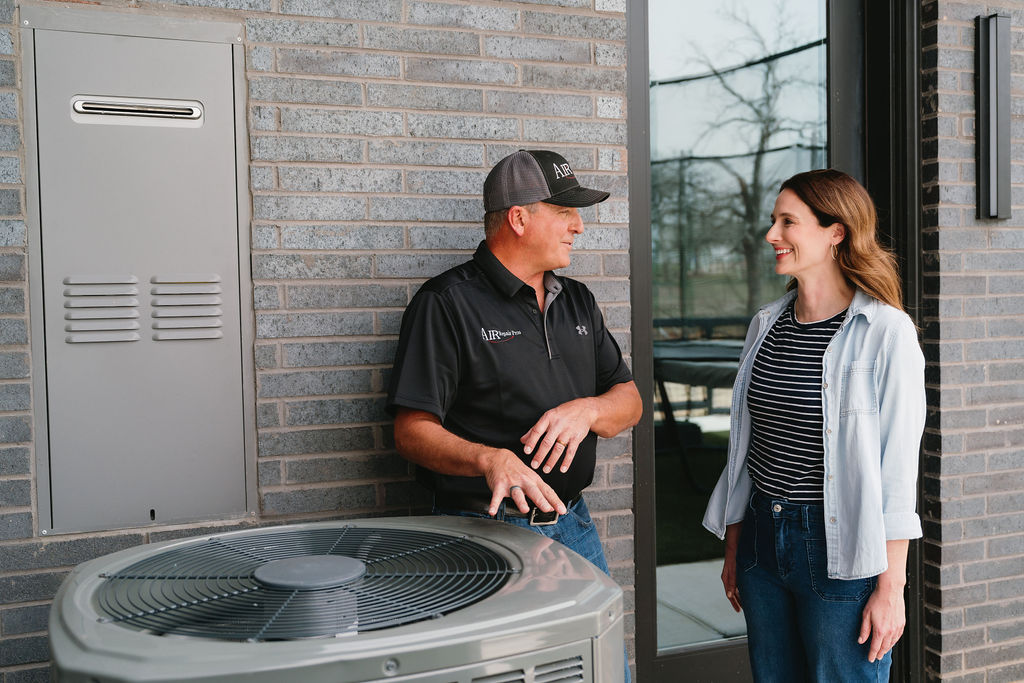
Air conditioners employ the same operating principles and basic components as your home refrigerator. An air conditioner cools your home with a cold indoor coil called the evaporator. The condenser, a hot outdoor coil, releases the collected heat outside. The evaporator and condenser coils are serpentine tubing surrounded by aluminum fins. This tugging is usually made of copper. A pump, called the compressor, moves a heat transfer fluid (or refrigerant) between the evaporator and the condenser. The pump forces the refrigerant through the circuit of tubing and fins in the coils. The liquid refrigerant evaporates in the indoor evaporator coil, pulling heat out of indoor air and thereby cooling the home. The hot refrigerant gas is pumped outdoors into the condenser where it reverts back to a liquid giving up its heat to the air flowing over the condenser’s metal tubing and fins.
Central Air Conditioners
Central air conditioners circulate cool air through a system of supply and return ducts. Supply ducts and registers (i.e., openings in the walls, floors, or ceilings covered by grills) carry cooled air from the air conditioner to the home. This cooled air becomes warmer as it circulates through the home; then it flows back to the central air conditioner through return ducts and registers. A central air conditioner is either a split-system unit or a packaged unit.
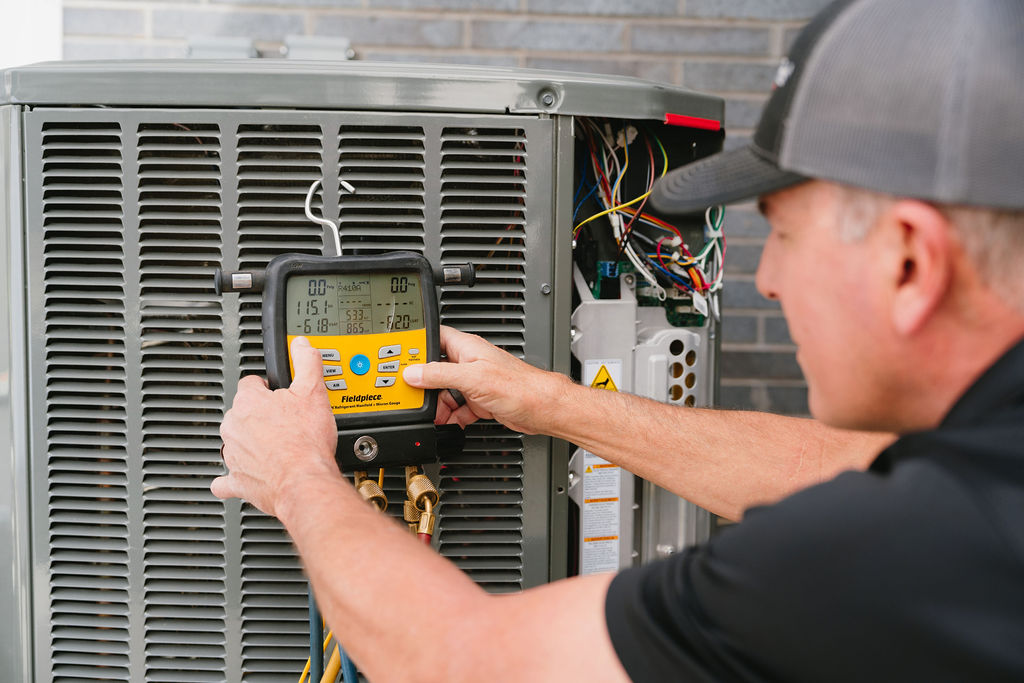
In a split-system central air conditioner, an outdoor metal cabinet contains the condenser and compressor, and an indoor cabinet contains the evaporator. In many split-system air conditioners, this indoor cabinet also contains a furnace or the indoor part of a heat pump. The air conditioner’s evaporator coil is installed in the cabinet or main supply duct of this furnace or heat pump. If your home already has a furnace but no air conditioner, a split-system is the most economical central air conditioner to install.
For additional information click on the appropriate links below:
- Energy-Efficient Air Conditioning
- Maintaining Existing Air Conditioners
- Regular Maintenance
- Buying New Air Conditioners/Sizing Air Conditioners
- Air Conditioner Efficiency
- Hiring Professional Services/Choosing a Contractor
- Installation and Location of Air Conditioners
- Energy Conservation Tips
Information Provided by: Energy Efficiency and Renewable Energy Network (EREN) U.S. Department of Energy