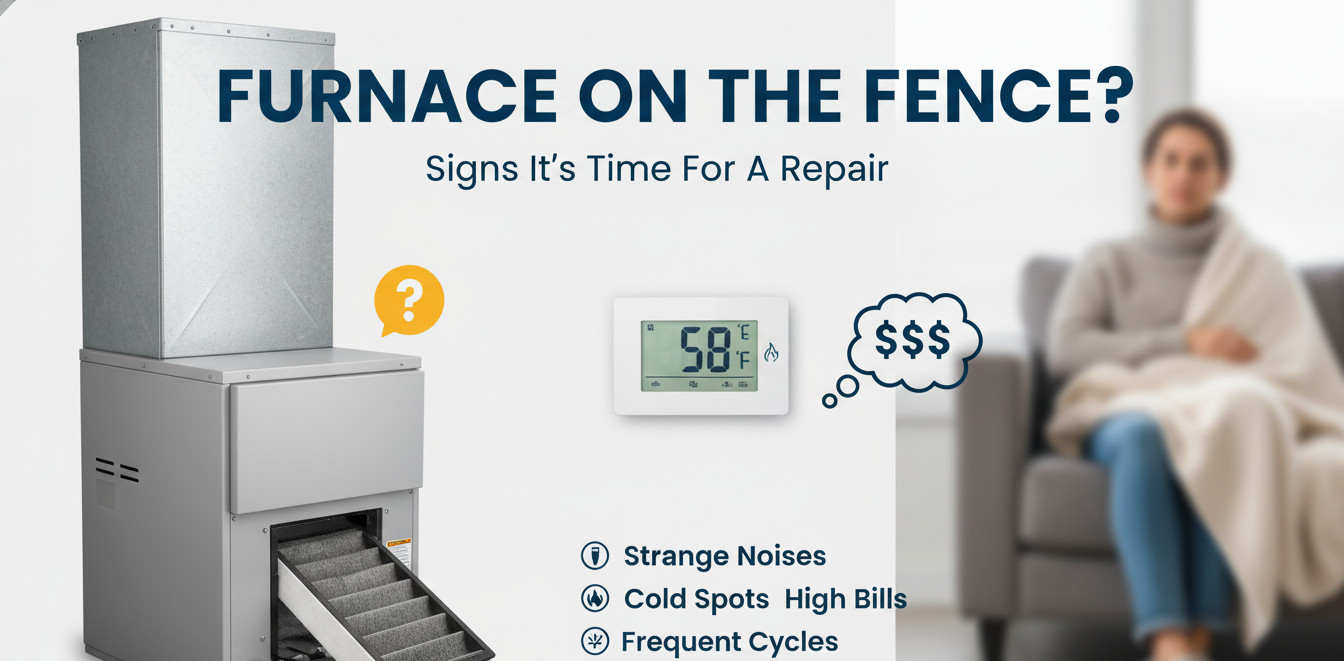
Frisco winters aren’t usually extreme, but cold snaps can quickly turn a broken furnace into a major problem, leaving your home uncomfortable, cold, and unprotected. Losing indoor comfort is never pleasant, and it becomes even worse when small furnace issues are ignored. Minor problems can grow into serious, more complex system failures that require costly Furnace repairs.
This guide helps Frisco homeowners identify heating warning signs that furnace repair is needed, recognize early signs of malfunctioning, know when to schedule service, and understand whether repair or replacement is the better choice based on the system’s age, performance, and safety. Also, it is the standard for using your HVAC system based on best practices from Air Repair Pros, Frisco heating repair specialists.
What Are the Early Signs You Need Furnace Repair?
Furnace problems can build up over time, and even small symptoms may point to deeper mechanical issues. Addressing these problems early is essential, as a failing furnace can be both disruptive and potentially dangerous. Throughout the life of your home heating system, it’s important to ensure it operates safely and efficiently to protect your home and maintain comfort.
Below are the most common warning signs of furnace issues:
1. Issues with Heating the Home
If you notice that certain rooms in your home are warm while others remain cold, this indicates a problem with your heating system. These heating issues are early signs you need furnace repair, and there might be issues with components or the ductwork.
This might happen because of:
- Blocked or closed vents
- Undersized or damaged ducts
- A failing blower motor
- Dirty filters restricting airflow
- Thermostat malfunctions
- A furnace that is no longer powerful enough for the home
If your furnace can’t move air out quickly enough and run nonstop, it means the system isn’t able to keep up. This leads to uncomfortable indoor temperatures and higher energy bills. A skilled HVAC technician can inspect the ducts for dirt and debris, check for airflow imbalances, and identify failing components. Then they will be able to identify the components that are failing and properly guide you on when to schedule furnace service.
2. Unusual or Loud Furnace Noises
A properly functioning and healthy furnace should only have a light hum. Most of the time, those sounds are an early indication that there are new problems with the heating system.
Noises You Should Watch For:
- Grinding – Possible worn bearings
- Squealing – Belt damage or motor issues
- Rattling – Loose components or duct panels
- Popping or booming – Delayed ignition in gas furnaces
- Clicking – Ignition or electrical control problems
3. Why Noise Matters?
Your furnace may be worn out if the usual noise level changes suddenly or if the volume level changes over time.
A professional inspection can catch small furnace issues before they turn into major problems, especially during cold nights when the system is working harder and more likely to fail.
4. Weak Airflow From Vents
If the air coming from your vents feels weak or inconsistent, your furnace is not delivering airflow properly.
Common causes include:
- Blower motor failure
- Blocked or leaky ductwork
- Dirty filters
- Electrical issues
- Overheating shutdowns
Weak airflow lowers comfort, increases run time, and dramatically raises energy bills.
5. Unpleasant or Persistent Smells
At the start of the heating season, you may experience a brief, burning smell. However, the presence of unpleasant, continuous odors becomes a warning.
Smells You Should Never Ignore:
- Burning plastic – Electrical issues
- Metallic smell – Overheating components
- Musty odor – Mold in the ducts or the furnace cabinet
- Rotten-egg smell – Possible gas leak (shut off system and call a professional immediately)
Air Repair Pros technicians are trained to address heating system safety concerns and can accurately diagnose the source of unusual furnace odors.
6. Constant Cycling or Short Cycling
While it’s normal for a furnace to turn on and off during a heating cycle, short cycling occurs when it repeatedly turns on and off without completing a full cycle. This puts unnecessary stress on the system and its components.
Common Causes of Short Cycling:
- Clogged filters restricting airflow
- Overheating caused by blocked vents
- Thermostat malfunction
- Improper furnace sizing
- Safety shut-offs
If left unaddressed, short cycling will eventually lead to major breakdowns.
Why Annual Maintenance Is Essential
Certified technicians perform many different tasks during a regular tune-up that help keep your furnace operational. Technicians clean the furnace’s burners and check the heat exchanger as well as the ignition system to ensure everything functions properly.
Technicians also inspect and tighten electrical connections, measure airflow, and replace worn components before they fail. Just as importantly, they help determine whether furnace repair vs replacement is the better option. They fine-tune the system for better energy efficiency and lower power usage. Annual maintenance and tune-ups protect your furnace from unnecessary part replacements, emergency breakdowns, and future issues, ensuring your home stays warm and safe throughout the winter.
Furnace Repair vs. Replacement: How to Decide
One of the most common questions homeowners confront is whether they should keep repairing an old furnace oy should replace it indefinitely.
When Repair Is the Better Option
Repair is often ideal when:
- The furnace is under 10–12 years old
- Issues are minor (belts, sensors, filters, bearings)
- Repairs are inexpensive and infrequent
- The furnace still heats the home effectively
- The system has been well-maintained
Repairing a younger furnace can extend its life significantly—especially when combined with regular tune-ups.
When Replacement Is the Better Option
Replacement is worth considering when:
- The furnace is over 12–15 years old
- The unit experiences repeated breakdowns
- Repair costs exceed 30%–40% of replacement cost
- Energy bills continue rising
- The furnace struggles to keep the home warm
- You want improved energy efficiency
Newer systems offer better performance, lower utility bills, and more consistent comfort. Air Repair Pros can help determine the most cost-effective solution based on system age, efficiency, and long-term reliability.
How to Prevent Furnace Problems Before They Start
Preventative steps can help you avoid emergency repairs and keep your heating system operating at peak performance.
Essential Homeowner Maintenance Tips
To reduce furnace problems:
- Replace filters every 1–3 months
- Keep vents and registers open and unobstructed
- Check the thermostat settings regularly
- Monitor for unusual sounds or smells
- Schedule annual professional tune-ups
A properly maintained furnace lasts longer and requires fewer repairs.
Benefits of Professional Tune-Ups
Technicians can:
- Identify small issues before they become costly
- Clean and calibrate vital components
- Ensure safe operation
- Maximize heating efficiency
- Extend system lifespan
Many HVAC companies offer memberships or maintenance plans for discounts and priority service. Air Repair Pros offer this through their Comfort Club.
Safety Risks of Ignoring Furnace Issues
Some furnace problems impact more than comfort; they pose serious dangers.
1. Carbon Monoxide Leaks
A malfunctioning gas furnace can produce carbon monoxide (CO), a colorless, odorless, and dangerous gas.
Indicators include:
- Yellow flames
- Soot buildup
- Persistent headaches or nausea among household members
- The furnace shuts off frequently.
A CO detector should always be used in homes with gas furnaces.
2. Fire Hazards
Faulty electrical connections, overheating motors, and damaged wiring can cause furnace-related fires if not addressed promptly.
3. Gas Leaks
A sulfur or “rotten-egg” smell near the furnace may indicate a gas leak. This requires immediate professional attention.
Conclusion:
If you can recognize the signs that you need furnace repair early, you’ll save time, money, and avoid emergency breakdowns—while keeping your home warm all winter. Warning signs such as cold air from the vents, rising utility bills, strange noises, uneven heating, and constant cycling all indicate that your furnace needs immediate attention. Regular maintenance, knowing what to look for, and acting quickly with HVAC repair services in Frisco can help you prevent costly repairs and extend the lifespan of your furnace. For furnace repair or to book your annual heating maintenance today, with Air Repair Pros.