
Why Your HVAC System Needs a Tune-Up Before Summer Hits
A proper HVAC tune-up checklist covers everything from coil cleaning and refrigerant checks to safety control testing and duct inspection, and skipping it can become one of the costliest mistakes a homeowner makes.
Here’s a quick summary of what a complete HVAC tune-up checklist includes:
| Category | Key Tasks |
|---|---|
| Air Filters | Inspect, clean, or replace |
| Coils | Clean evaporator and condenser coils |
| Refrigerant | Check levels and inspect for leaks |
| Electrical | Tighten connections, test capacitors and contactors |
| Blower & Airflow | Inspect blower motor, fan blades, measure static pressure |
| Condensate Drain | Flush and clear clogs, treat with algaecide |
| Thermostat | Calibrate and test accuracy |
| Ductwork | Inspect for leaks and energy loss |
| Safety Controls | Test all safety mechanisms and starting cycles |
| Heat Exchanger (heating) | Inspect for cracks, rust, or blockages |
More than 52% of a typical home’s energy use goes toward heating and cooling. Even so, many HVAC systems go years without a professional tune-up, slowly becoming less efficient, driving up utility costs, and increasing the risk of an untimely breakdown.
The numbers tell a clear story. Neglected systems can drive energy bills 15–25% higher than they should be. Airflow problems alone can cut efficiency by up to 15%. And up to 80% of costly HVAC repairs trace back directly to skipped routine maintenance. A minor fix that costs under $200 during a tune-up can snowball into a compressor failure or full replacement costing $3,000 to $7,000 or more.
For North Dallas homeowners, that risk climbs fast. Summer heat puts AC systems under real strain, and the last thing you want is your unit failing on the hottest day of the year.
I’m Kara Kohlschmidt, Operations Manager at Air Repair Pros, and I’ve spent years overseeing HVAC service coordination across hundreds of residential and commercial tune-ups, so I know how much a solid HVAC tune-up checklist can prevent. In this guide, I’ll walk you through exactly what a thorough tune-up covers, what you can do yourself, and when to call in a certified technician.

Why an HVAC Tune-Up Checklist is Your Best Defense Against Breakdowns
Think of your HVAC system like your car. You would not skip every oil change and expect trouble-free performance. Yet many homeowners ask their AC to run through long Texas summers with little or no attention. A thorough HVAC tune-up checklist works like a routine health check for one of the most important and expensive systems in your home.
One of the biggest HVAC tune-Up reduce costs benefits is the sheer prevention of “catastrophic failure.” Statistics show that regular maintenance can decrease compressor run-time by up to 15%, saving you money on every single cooling cycle. More importantly, it extends the system’s lifespan. A well-maintained AC unit can hum along for 15 to 20 years, while a neglected one often begins to fail around the 10-year mark.
Energy Savings and Efficiency
When your system is dirty, it works harder. Dust on the coils acts like a thermal blanket, forcing the compressor to run longer to achieve the same cooling effect. By following a professional Air Conditioning maintenance plan, you can increase airflow by a remarkable 20–30%. This isn’t just about comfort; it’s about keeping that 15–25% “neglect tax” off your monthly utility bill.
Warranty Protection and Emergency Prevention
Many manufacturer warranties require annual professional HVAC maintenance to stay valid. If a major part fails later and you cannot show service records, your warranty claim could be denied. Just as important, routine tune-ups help catch small problems early. A worn capacitor, loose electrical connection, or clogged drain found in spring can prevent a much bigger breakdown and a costly emergency repair in the middle of summer.
Cooling System Components in Your HVAC Tune-Up Checklist
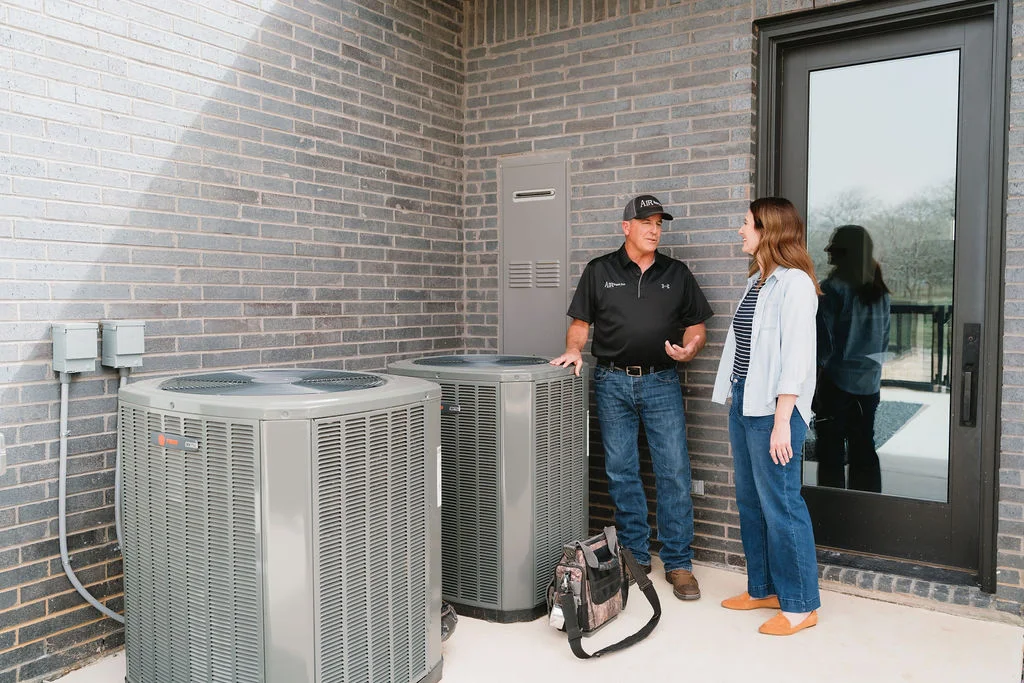
When our technicians arrive at your home in Frisco or McKinney, we don’t just “look” at the unit. We dive into the specific cooling components that bear the brunt of the summer heat.
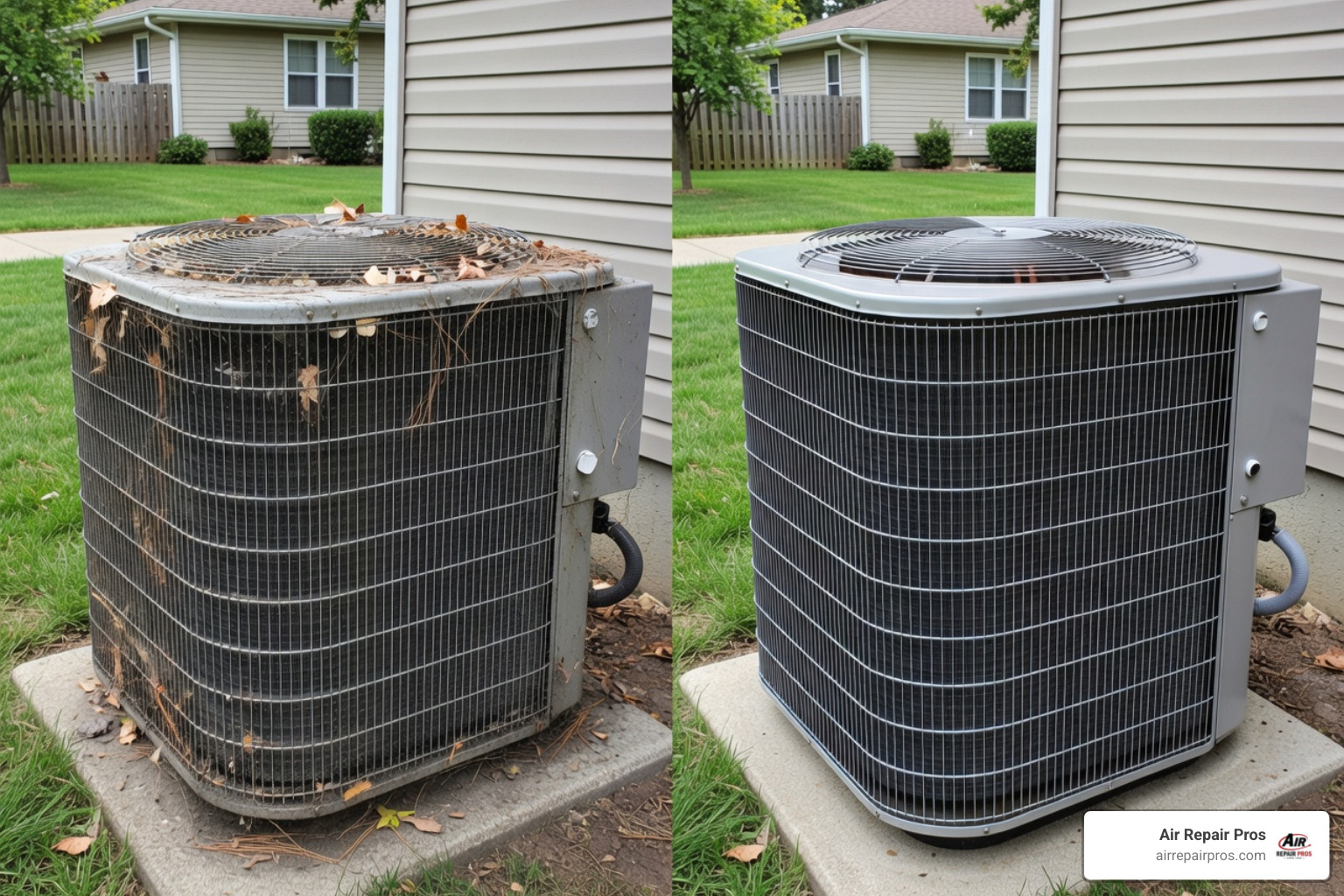
- Condenser and Evaporator Coils: We clean these thoroughly. Dirty coils reduce the system’s ability to cool your home and significantly increase energy costs. In North Dallas, pollen and dust can quickly coat outdoor coils, leading to massive efficiency drops.
- Refrigerant Charge: This is a critical step in AC Maintenance. Too much or too little refrigerant makes the system less efficient and can kill the compressor. Early detection of a leak can save you up to 30% on repair costs.
- Condensate Drains: We check for clogs and treat the drain with an algaecide. A plugged drain can cause water damage to your home and even lead to mold growth.
- Refrigerant Lines: We inspect these for damage or leaks. Even minor vibrations or a stray stone from a lawnmower can cause a leak that drains your system’s “lifeblood.”
For those living in older neighborhoods, AC Tune-Ups cannot be overstated. Older systems have less “margin for error” and require precise calibration to survive the 100-degree days.
Mechanical and Airflow Tasks for Your HVAC Tune-Up Checklist
Airflow is the “V” in HVAC (Ventilation), and it’s often the most overlooked part of maintenance.
- Blower Motor and Fan Blades: We inspect the blower motor for amperage and voltage. We also clean the fan blades; even a small amount of dust can unbalance a blade, leading to noise and premature motor failure.
- Air Filters: While homeowners should change these every 30-90 days, we evaluate the filter type during an AC Tune-Up. Using the wrong MERV rating can actually restrict airflow and “suffocate” your system.
- Ductwork Inspection: We look for loose connections and leaks. 20–30% of conditioned air is lost through typical duct leaks in many homes.
- Static Pressure: This is a technical measurement that tells us if your system is struggling to “breathe” through the vents. High static pressure is a silent killer of blower motors.
Preparing for Winter: The Heating Maintenance Checklist
While the AC gets all the glory in Texas, your furnace needs love too. Heating equipment is involved in 1 in 7 home fires, making the heating portion of your HVAC tune-up checklist a matter of safety as much as comfort.
Our heating maintenance checklist focuses heavily on combustion safety and reliability. Whether you have a gas or electric system, we ensure it’s ready for that first North Dallas cold snap.
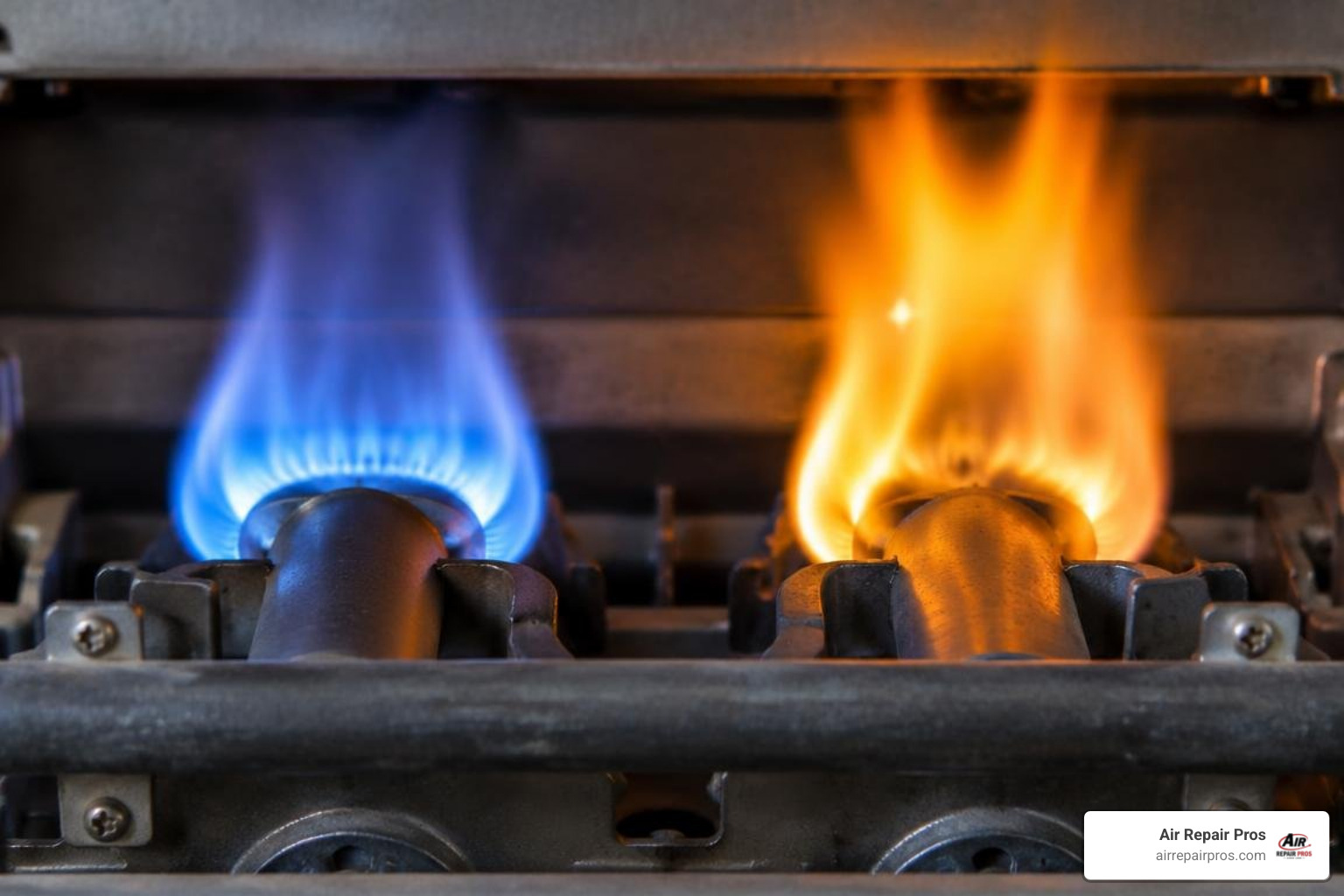
- Heat Exchanger Inspection: This is the most critical safety check. We look for rust, leaks, or cracks. A cracked heat exchanger can leak deadly carbon monoxide into your home.
- Gas Pressure and Connections: We check for leaks and ensure the pressure is set correctly for efficient burning. Improperly operating gas connections are a major fire hazard.
- Ignition System: We clean the flame sensor and check the igniter. According to 10 vital furnace maintenance tasks, a dirty flame sensor is the #1 reason for furnace “no-heat” calls.
- Carbon Monoxide Testing: We don’t just guess; we use specialized tools to ensure your home’s air is safe.
If you want to go deeper into the “whys” of furnace care, check out the ultimate furnace tune-up guide for a full breakdown of the heating cycle.
Professional vs. DIY: Knowing When to Call the Experts
We often get asked, “Can’t I just do this myself?” While we love a proactive homeowner, there’s a big difference between basic cleaning and a professional “Precision Tune-Up.”
| Task | Homeowner (DIY) | Professional (Air Repair Pros) |
|---|---|---|
| Air Filters | Change every 1-3 months | Evaluate MERV rating and fit |
| Outdoor Unit | Clear weeds/debris (2ft gap) | Chemically clean coils and fins |
| Thermostat | Change batteries | Calibrate and test cycle logic |
| Electrical | Visual check of wires | Tighten connections, measure Amps/Volts |
| Refrigerant | No (Requires EPA License) | Check levels with digital gauges |
| Safety Tests | Check CO detector batteries | Test flame sensors, limit switches, and gas pressure |
What happens during routine HVAC maintenance involves tools most homeowners do not keep in the garage, including multimeters for capacitor testing, combustion analyzers for gas safety, and digital manifolds for accurate refrigerant checks. At Air Repair Pros, our technicians are NATE-certified, which means they have passed rigorous national testing to verify their expertise.
Frequently Asked Questions about HVAC Maintenance
How often should I schedule a tune-up?
The industry standard is twice per year. We recommend scheduling your cooling check in the spring (March/April) and your heating check in the fall (September/October). This ensures your system is ready before the extreme weather hits and helps you avoid the “peak season” wait times when everyone’s system is breaking down at once.
What are the signs my system needs an immediate inspection?
Don’t wait for your system to “ghost” you completely. Watch for these red flags:
- Unusual Noises: Squealing, banging, or grinding sounds often indicate a failing belt or motor bearing.
- Rising Energy Bills: If your usage hasn’t changed but your bill is up 20%, your system is losing its efficiency battle.
- Uneven Cooling: If the master bedroom is a sauna while the living room is an icebox, you likely have airflow or ductwork issues.
- Frequent Cycling: If the unit turns on and off every few minutes, it’s “short-cycling,” which puts massive strain on the compressor.
Can a tune-up really lower my energy bills?
Yes! As mentioned earlier, neglected systems often cost 15–25% more to operate. By cleaning the coils, ensuring the correct refrigerant charge, and optimizing airflow, we can often see an immediate drop in kilowatt-hour consumption. In a climate like Dallas, where AC can run 12-16 hours a day in August, those savings add up fast.
Conclusion
Your HVAC system is the heart of your home’s comfort. Don’t let it fail you when the Texas sun is at its peak. By following a consistent HVAC tune-up checklist, you aren’t just spending money on a service. You’re investing in lower bills, a longer-lasting system, and, most importantly, peace of mind.
At Air Repair Pros, we’ve been serving the North Dallas area, from Frisco and McKinney to Flower Mound and The Colony, since 1998. Our USP is simple: we show up in fully stocked trucks (carrying over 85% of the parts needed for a one-trip fix), our technicians are certified experts, and we are here for you 24/7 in case of emergencies.
Ready to get your system summer-ready? Don’t wait for the next heatwave. Contact our HVAC tune-up experts today to keep your home cool, efficient, and comfortable all season long.