
What Allen, TX Homeowners Need to Know About Sewer Line Repair
If you are dealing with Allen sewer line repair, here is a quick summary of what you need to know:
- Most common causes: Tree root intrusion, aging cast iron or clay pipes, and expansive Blackland Prairie clay soil shifting beneath your home in Allen, TX.
- Key warning signs: Multiple slow drains, sewage odors, gurgling toilets, soggy yard patches, and unexplained foundation cracks.
- Main repair options: Spot repair, partial replacement, full replacement, pipe rerouting, and trenchless methods like CIPP lining or pipe bursting.
- Typical timeline: Minor repairs can be completed in one day; full replacements generally take one to five days.
- Cost range: Pricing varies significantly based on pipe length, burial depth, repair method, and site conditions; always request a professional estimate.
- Insurance: Standard homeowners insurance typically does not cover sewer damage from age, root intrusion, or soil movement; optional endorsements may help.
- First step: Schedule a professional video camera inspection to confirm the exact location and extent of damage before any work begins.
Allen, TX has a sewer line problem that most homeowners do not think about until it is too late. The city sits on Blackland Prairie clay, one of the most expansive soil types in the United States. This specific geological formation consists of high-plasticity clay that swells dramatically when it rains and shrinks just as dramatically during dry summers, putting constant stress on underground pipes year after year. This cycle of expansion and contraction is particularly aggressive in North Texas, where weather patterns often swing between heavy spring deluges and intense summer droughts.
Layer on top of that the aging infrastructure in many Allen, TX neighborhoods. Homes built before 1975 often still have their original cast iron or clay tile pipes, materials that were designed to last 50 to 75 years and are well past that window in many cases. In fact, industry data shows that virtually every cast iron sewer pipe inspected in the Allen, TX area in recent years has needed full replacement. This is not a coincidence: it is the result of decades of soil movement, internal corrosion, and root pressure quietly working underground. Cast iron, while durable, eventually suffers from crown corrosion, where hydrogen sulfide gas eats away at the top of the pipe, or bottom-channeling, where the flow of water wears a groove through the bottom of the metal.
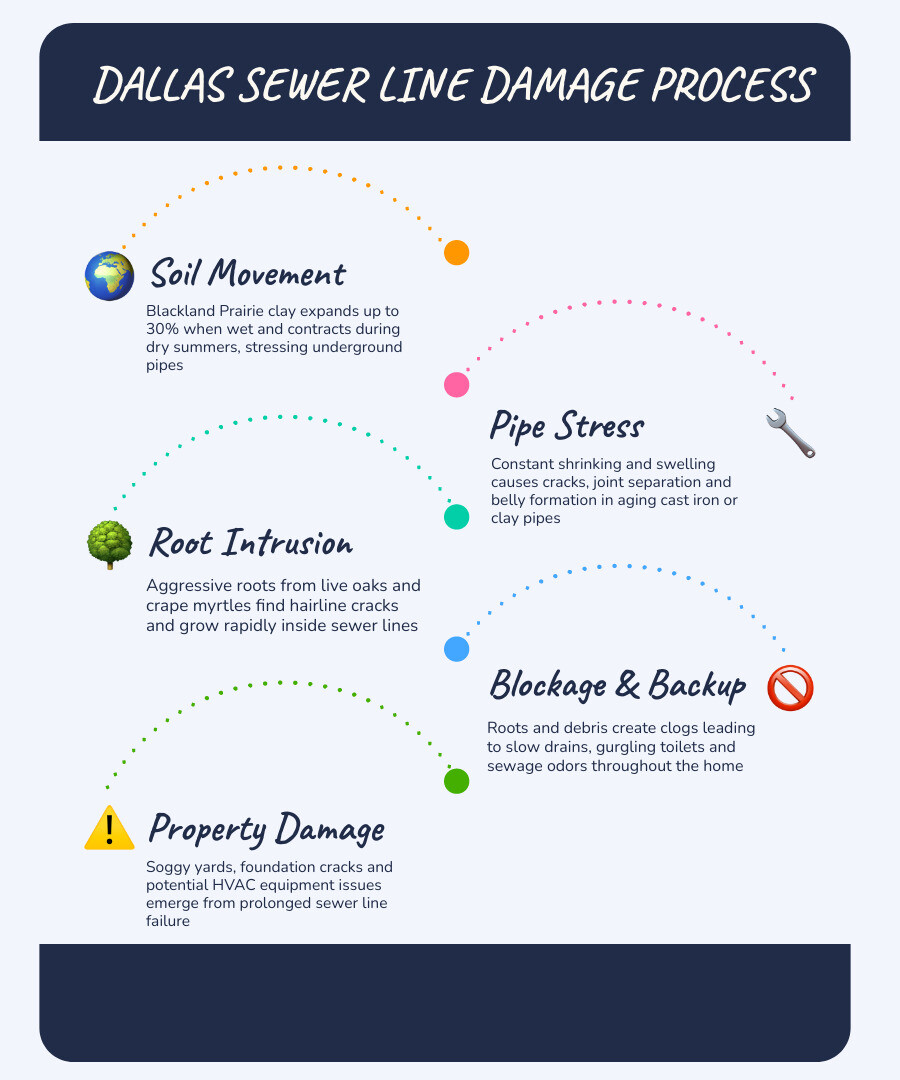
And then there are the trees. Allen, TX is known for its mature canopy of live oaks, pecans, and crape myrtles: beautiful on the surface, but their root systems are aggressive and relentless in seeking moisture. Sewer lines are an ideal target because they provide a constant source of water and nutrients. Even a hairline crack in an aging pipe is enough for microscopic root hairs to find their way in, and once inside, they grow fast, eventually filling the entire diameter of the pipe with a thick mass of roots.
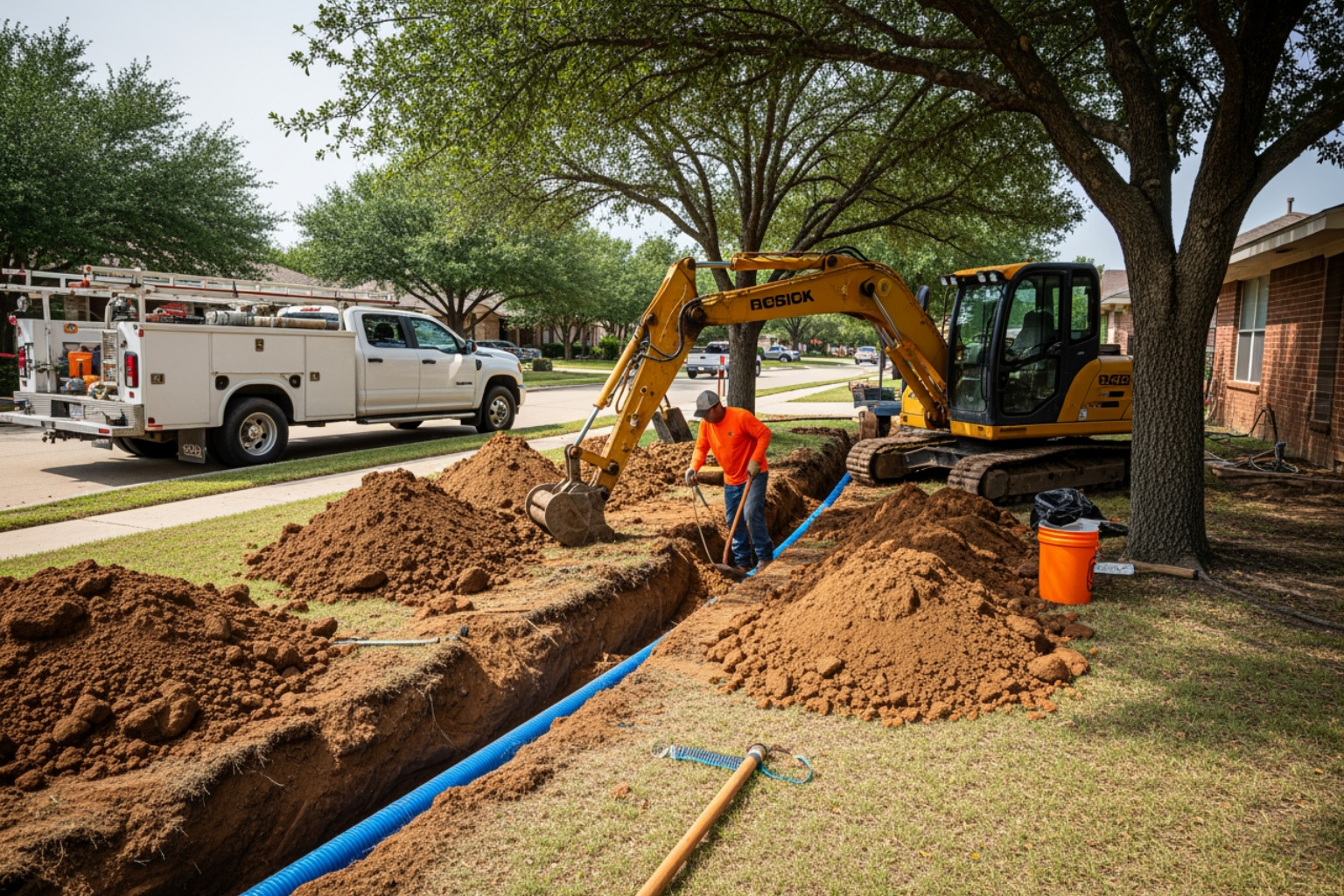
The result is that many Allen, TX homeowners face sewer problems that have been building for years before a backup or a soggy yard spot finally brings them to the surface. By that point, what could have been a straightforward spot repair has sometimes grown into a much larger project. A complete yard line replacement in Allen, TX, can cost $10,000 or more, and many of those replacements could have been avoided with earlier action and regular maintenance.
What makes this especially relevant for total home health is that sewer and plumbing problems do not stay isolated underground. Sewage gases can affect indoor air quality, persistent soil saturation can compromise the stability of your outdoor AC equipment pads, and moisture intrusion from a leaking line can create conditions that make your HVAC system work harder to maintain comfort. Your home’s plumbing and mechanical systems are more connected than most people realize. This guide will walk you through everything you need to know: from the specific causes of sewer line failure in Allen, TX, to the repair methods available, what inspections involve, and how to protect your home long term.
Common Causes of Sewer Line Damage in Allen, TX
Understanding why sewer lines fail is the first step toward effective Allen sewer line repair. In North Texas, the environment is particularly harsh on underground infrastructure. While most homeowners focus on the visible parts of their property, the network of pipes beneath the surface is constantly battling natural forces that are unique to the Allen, TX region.
The primary culprit is Blackland Prairie clay. This soil is famous among engineers for its high shrink-swell potential. When it rains in Allen, TX, this clay can expand by up to 30% in volume. During the intense heat of a Texas summer, the soil loses moisture and contracts, creating deep cracks in the earth. This constant movement acts like a slow-motion vice, squeezing and pulling on rigid sewer pipes until they crack, separate at the joints, or belly: a term used when a section of pipe sags and creates a standing pool of water and waste. Because the soil moves so much, even pipes that were installed with the correct slope can eventually lose their grade, leading to chronic drainage issues.
Tree root invasion is the second most common cause of damage. In neighborhoods like North Dallas, TX, Plano, TX, and McKinney, TX, mature live oaks and crape myrtles have root systems that act like moisture-seeking missiles. According to the Environmental Protection Agency (EPA), water conservation and leak prevention are critical, and a leaking sewer joint is a primary source of nutrient-rich water that attracts roots. Once a root hair enters a tiny crack, it expands, eventually shattering the pipe or creating a massive root ball blockage. These roots are so strong that they can even lift concrete slabs and move heavy cast iron pipes over time.
When these issues arise, professional sewer line repair is often needed to restore the home’s structural stability. Early leak detection can help catch problems before added moisture causes more soil movement and foundation stress. In Dallas, TX, plumbing and foundation conditions are closely connected. A damaged sewer line can contribute to soil expansion and heaving, while a shifting foundation can crack, offset, or break the sewer line.
Impact of North Texas Soil on Plumbing
The expansive clay soil in Frisco, TX, and surrounding areas does more than just break pipes; it creates bellies or low spots. When the soil beneath a pipe shifts or washes away due to a leak, the pipe loses its support and sags. Gravity-fed sewer lines rely on a precise pitch or slope to move waste. Even a minor sag can cause solids to collect, leading to recurring backups and the accumulation of sludge that can eventually harden into a concrete-like substance.
This soil movement can also affect your HVAC system in ways many homeowners do not expect. Many AC condenser units sit on pads close to the foundation. If a sewer line leaks nearby, the ground can become oversaturated and unstable, which may cause the unit pad to shift, tilt, or sink. That added stress can strain refrigerant lines and contribute to costly equipment problems. Maintaining healthy plumbing helps protect your home’s overall efficiency. When an AC unit is not level, the compressor may not lubricate properly, which can reduce its lifespan.
Aging Pipe Materials in Older Neighborhoods
If your home in Allen, TX was built before the mid-1970s, it likely utilizes cast iron or clay tile pipes. While cast iron was the gold standard for decades, it is highly susceptible to internal corrosion. Over 50 to 75 years, the bottom of the pipe can literally rust away, leaving a jagged channel that snags debris and toilet paper. Clay pipes, while resistant to corrosion, are brittle and feature numerous joints that are easily penetrated by roots. These joints were often sealed with materials that degrade over time, leaving the pipe vulnerable to the surrounding environment.
Bituminized fiber pipes, made of wood pulp sealed with coal tar, are also occasionally found in older North Texas properties. These pipes frequently collapse as they reach the end of their 50-year lifespan, often becoming oval-shaped under the weight of the soil before failing completely. When these materials fail, the environmental impact of leaking sewage can contaminate local groundwater, making modern replacement a necessity for both safety and compliance with local Allen, TX, building codes.
Essential Signs You Need Dallas Sewer Line Repair
Detecting a sewer issue early can be the difference between a simple spot repair and a massive excavation project. Homeowners in Allen, TX, should stay vigilant for signs that their waste system is struggling. Often, the signs are subtle at first, such as a faint odor or a drain that takes just a few seconds longer than usual to clear.
The most obvious sign is the behavior of your drains. If a single sink is clogged, it is likely a local issue. However, if multiple drains: such as the kitchen sink, the shower, and the laundry line: are all running slowly or backing up simultaneously, the problem is likely in the main sewer line. You may also notice gurgling sounds coming from the toilets when the washing machine drains or when you take a shower. This happens because air is being trapped in the system by a blockage, forcing the air to escape through the nearest available vent, which is often the toilet trap.
If you experience a sudden, total backup where sewage enters your bathtubs or floor drains, you should contact an Emergency Plumber immediately. Beyond the immediate mess, ignoring these signs can lead to mold growth and poor indoor air quality, as sewer gases like methane and hydrogen sulfide can seep into the living space. These gases are not just unpleasant; they can be flammable and toxic in high concentrations, making a sewer backup a legitimate health and safety emergency for any family in Dallas, TX.
Identifying Interior Warning Signs
Inside the home, persistent foul odors that smell like rotten eggs are a major red flag. This indicates that the water seal in your P-traps is being sucked out due to poor venting or that there is a physical break in a vent stack or sewer line. In some cases, the smell may only appear in certain rooms or during specific times of the day when the HVAC system is circulating air throughout the house.
There is also a direct connection between your drain health and your AC system. Modern high-efficiency AC units create a steady flow of condensate, and that water often drains into the home’s plumbing system. If the main sewer line is partly blocked, the AC condensate may back up instead of draining correctly. That can cause water damage around the HVAC closet or trip a float switch that shuts your cooling system off. In Dallas summers, this is a frustrating and fairly common source of AC trouble. Regular drain cleaning helps keep drainage moving and can reduce the risk of unexpected shutdowns.
Recognizing Exterior Property Damage
Sometimes the clearest signs of a broken sewer line are found in the yard. Because sewage acts as a potent fertilizer, you might notice a patch of grass that is significantly greener and lusher than the rest of the lawn. While this might look nice at first, it is a sign that the soil is being saturated with nutrient-rich wastewater. Conversely, you might see soggy, sunken spots or even small sinkholes where the soil has been washed away by a leaking pipe, creating a dangerous trip hazard.
In extreme cases, a leaking sewer line under the foundation can cause the concrete slab to crack or heave. This moisture can also attract rodents and insects, such as cockroaches and sewer flies, which seek out the damp, nutrient-rich environment. Protecting your outdoor HVAC equipment is vital here; if the ground near your AC unit stays perpetually wet, the metal components can corrode faster, and the unit may lose the stable footing it needs to operate quietly and efficiently. A sinking AC pad can also cause the refrigerant lines to kink or break, leading to a total loss of cooling for your Dallas, TX home.
Comparing Traditional and Trenchless Sewer Repair Methods
When it comes to Allen sewer line repair, there is no one-size-fits-all solution. The best method depends on the age of the pipe, the type of damage, and the location of the line. In Allen, TX, plumbers must also consider the depth of the line, as some sewer pipes are buried much deeper than others, especially in older neighborhoods with basement-level plumbing.
| Method | Description | Best For | Pros | Cons |
|---|---|---|---|---|
| Spot Repair | Excavating a specific small area to fix one break. | Isolated root damage or a single crack. | Lower cost for minor issues. | Does not fix aging pipes elsewhere. |
| Pipe Lining (CIPP) | Inserting a resin-soaked liner that hardens into a new pipe. | Cracked or corroded pipes that are still structurally sound. | No digging, preserves landscaping. | Cannot fix collapsed pipes or bellies. |
| Pipe Bursting | Pulling a new pipe through the old one, breaking the old one apart. | Full replacement of long runs. | Less digging than traditional trenching. | Requires two access pits; cannot fix grade. |
| Traditional Trenching | Digging up the entire line and laying new PVC. | Collapsed pipes, severe bellies, or grade issues. | Fixes all structural and slope problems. | Disruptive to yards and driveways. |
| Pipe Rerouting | Abandoning the old line and running a new one around the house. | Pipes failing under a concrete slab foundation. | Avoids breaking indoor concrete. | May require more pipe length. |
Modern Sewer Line Replacement often utilizes a combination of these techniques to provide the most durable result with the least amount of property damage. For example, a plumber might use traditional trenching for the section of the pipe with a severe belly and then use pipe lining for the remainder of the run that is still straight and structurally sound.
Choosing the Right Dallas Sewer Line Repair Method
For many homeowners in Plano, TX, and Allen, TX, preserving expensive landscaping and mature trees is a priority. This is where trenchless methods like Cured-in-Place Pipe (CIPP) lining shine. By using existing access points, technicians can create a pipe within a pipe that is seamless and highly resistant to roots. The process involves saturating a felt tube with epoxy resin, pulling it through the damaged pipe, and then inflating it so it adheres to the inner walls. Once the resin cures, it forms a hard, structural pipe that is often stronger than the original.
Trenchless methods are also beneficial for protecting your AC pads and outdoor mechanical equipment. Because these methods avoid large-scale excavation, there is less risk of destabilizing the soil near your HVAC system’s foundation. This is a critical consideration in Dallas, TX, where the soil is already prone to movement.
When Traditional Excavation is Necessary
While trenchless options are popular, they cannot solve every problem. If a pipe has completely collapsed or has a severe belly caused by shifting Allen, TX clay, a liner will simply follow the existing dip, which does not fix the drainage problem. In these cases, traditional open-cut excavation is the only way to go. This allows the plumber to physically remove the old pipe and regrade the trench to ensure proper flow.
During this process, the plumber uses lasers to ensure a perfect pitch or slope. They will also often backfill the trench with gravel or sand rather than the native clay to provide a more stable environment for the new Schedule 40 PVC pipe. This ensures long-term home efficiency and prevents the need for future repairs, a strategy supported by the Department of Energy (DOE) regarding home infrastructure longevity. By replacing the expansive clay with stable aggregate, the new pipe is protected from the shrink-swell cycles that destroyed the previous line.
Professional Inspection and Maintenance Strategies
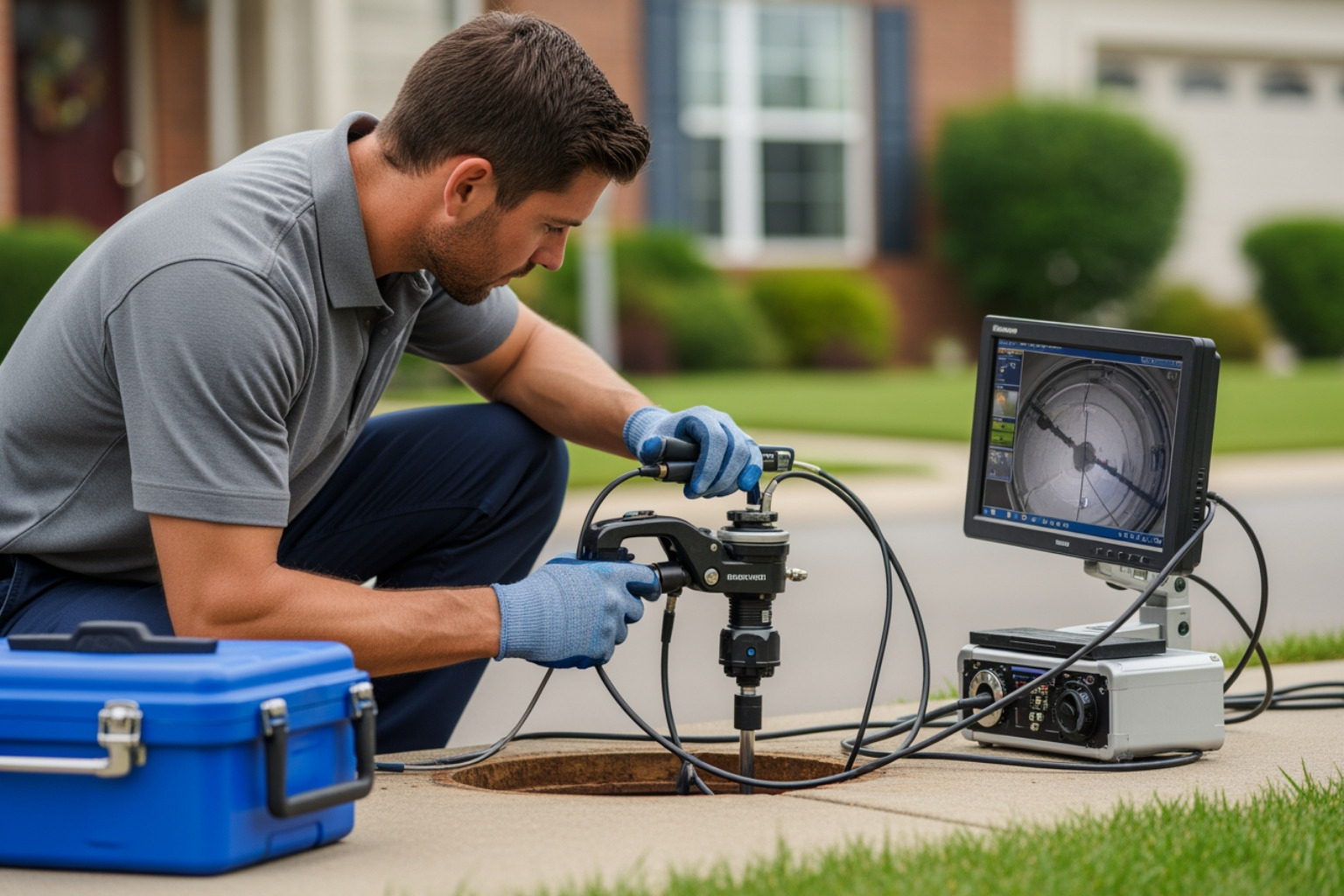
The only way to truly know the condition of your underground pipes is through a professional video camera inspection. A technician feeds a high-definition, waterproof camera into the line, allowing you to see the interior of the pipe on a monitor in real-time. This technology has revolutionized Allen sewer line repair by removing the guesswork and allowing for highly targeted interventions.
This diagnostic tool identifies exactly where the cracks, roots, or bellies are located. The camera is equipped with a transmitter that allows the plumber to pinpoint the exact location and depth of the problem from above ground. Air Repair Pros recommends integrated home inspections that look at both your plumbing and your mechanical systems, as a failure in one often impacts the other. For example, a sewer backup can flood a floor-mounted HVAC return, requiring extensive cleaning and sanitization to prevent the spread of bacteria through the home’s air ducts.
Long-Term Benefits of Professional Allen Sewer Line Repair
Investing in high-quality repairs pays off for decades. Modern Schedule 40 PVC is the material of choice for Allen, TX plumbers because it is smooth, durable, and virtually impervious to root intrusion when joined correctly. These pipes are rated to last 75 to 100 years, significantly longer than the cast iron they replace. Furthermore, the smooth interior of PVC reduces friction, which helps prevent clogs and allows for a shallower slope if necessary.
A properly functioning sewer system also keeps your home’s crawlspace or foundation dry. Excessive moisture under a home can increase indoor humidity levels, forcing your AC to work harder to dehumidify the air. By ensuring a dry environment, you improve the overall performance and lifespan of your HVAC equipment. High humidity can also lead to the growth of mold and mildew, which can damage the structural components of your home and trigger allergies for your family.
Preventing Future Sewer Failures
Homeowners in Allen, TX, can take several steps to prevent future issues:
- Grease Disposal: Never pour fats, oils, or grease down the drain. They solidify as they cool and catch other debris, leading to massive clogs known as fatbergs.
- Root Barriers: If you have trees near your sewer line, consider installing physical or chemical root barriers to redirect growth away from the pipes.
- Regular Inspections: For homes over 20 years old, a camera inspection every 2 to 3 years can catch small problems before they become expensive emergencies.
- HVAC Integration: Ensure your AC condensate lines are cleaned regularly so they do not contribute to slime buildup in your secondary drain lines, which can eventually lead to a backup.
- Flushable Wipes: Avoid flushing anything other than toilet paper. Even wipes labeled as flushable do not break down quickly enough and are a leading cause of sewer blockages in Dallas, TX.
By combining professional oversight with smart homeowner habits, you can ensure your home’s infrastructure remains healthy for years to come. Taking a proactive approach to sewer maintenance is always more cost-effective than reacting to a major failure.
Frequently Asked Questions about Dallas Sewer Line Repair
What are the most common causes of sewer line damage in Allen, TX homes?
The most frequent causes include the expansion and contraction of Blackland Prairie clay soil, which stresses pipes, and aggressive tree root intrusion from species like live oaks. Additionally, many older homes still have aging cast-iron or clay pipes that have reached the end of their functional lifespan.
What are the main signs that indicate an Allen, TX sewer line needs repair?
Warning signs include multiple drains backing up at once, persistent sewage odors inside or outside the home, gurgling sounds from toilets, and unusually lush or soggy patches of grass in the yard. You might also notice a sudden increase in pests like cockroaches or sewer flies.
What is trenchless sewer repair, and when is it a good option in Allen, TX?
Trenchless repair, such as CIPP lining or pipe bursting, allows for pipe restoration without digging a full trench. It is an excellent option when the pipe is structurally sound but has cracks or root issues, especially if the line runs under expensive landscaping, driveways, or the home foundation.
How much does sewer line repair or replacement typically cost in Allen, TX?
Pricing can vary depending on several factors, including the length of the pipe, the depth of burial, and the chosen repair method. Because every property is unique, homeowners should request a professional estimate to get an accurate quote for their specific situation.
How long does sewer line repair or replacement usually take in Allen, TX?
Minor spot repairs or trenchless lining can often be finished in a single day. Full replacements using traditional excavation typically take between two and five days, depending on the complexity of the site and the weather conditions.
Does homeowners’ insurance cover sewer line repair in Allen, TX?
Standard policies usually do not cover repairs needed due to age, wear and tear, or root intrusion. However, if you have a specific service line endorsement or if the damage was caused by a sudden, covered peril, you may have some coverage. Always check your specific policy details.
How can homeowners choose the best sewer repair option for their specific situation?
The best choice is made after a video camera inspection. If the pipe has collapsed or lost its slope, traditional replacement is necessary. If the pipe is mostly intact but leaking, trenchless lining might be the better, less invasive choice for your property.
What should homeowners expect during a professional sewer line inspection in Allen, TX?
A technician will insert a high-definition camera through a cleanout, which is an access point in the yard or house. You will be able to see the live footage on a monitor, and the plumber will provide a report detailing the location and nature of any damage found.
How can Allen, TX, homeowners prevent future sewer line problems?
Avoid flushing anything other than toilet paper, never pour grease down drains, and consider regular hydro jetting or camera inspections every few years to catch minor issues before they become major emergencies.
Why do cast iron pipes fail so frequently in North Texas?
Cast iron is prone to internal scaling and corrosion. In the humid, shifting soil of North Texas, these pipes eventually rust through at the bottom or crack under soil pressure, making them highly unreliable after 50 years of service in the Dallas, TX area.
Conclusion
A healthy sewer system helps protect your Allen, TX home’s safety, comfort, and long-term value. In North Texas, Blackland Prairie clay, shifting soil, aging pipes, and invasive tree roots can all put extra stress on underground sewer lines. Catching problems early and choosing the right repair solution can help you avoid messy backups, expensive property damage, and bigger plumbing issues later on. Whether you are dealing with repeated clogs or signs of a damaged line, a professional, whole-home approach matters.
Reliable sewer flow can help protect your foundation and improve the performance of your AC and HVAC systems. For expert help, contact our sewer line repair professionals at Air Repair Pros for and complete plumbing services in Allen, TX.