Heating equipment has a lifetime of 15-20 years in most situations. The quality of the equipment and the owner’s maintenance practices will affect the longevity of the system.
Once you notice signs that your heating system is failing, it’s important to take prompt action. Otherwise, operating a failing system could result in property damage and safety hazards.
There’s a Higher Risk of Fire
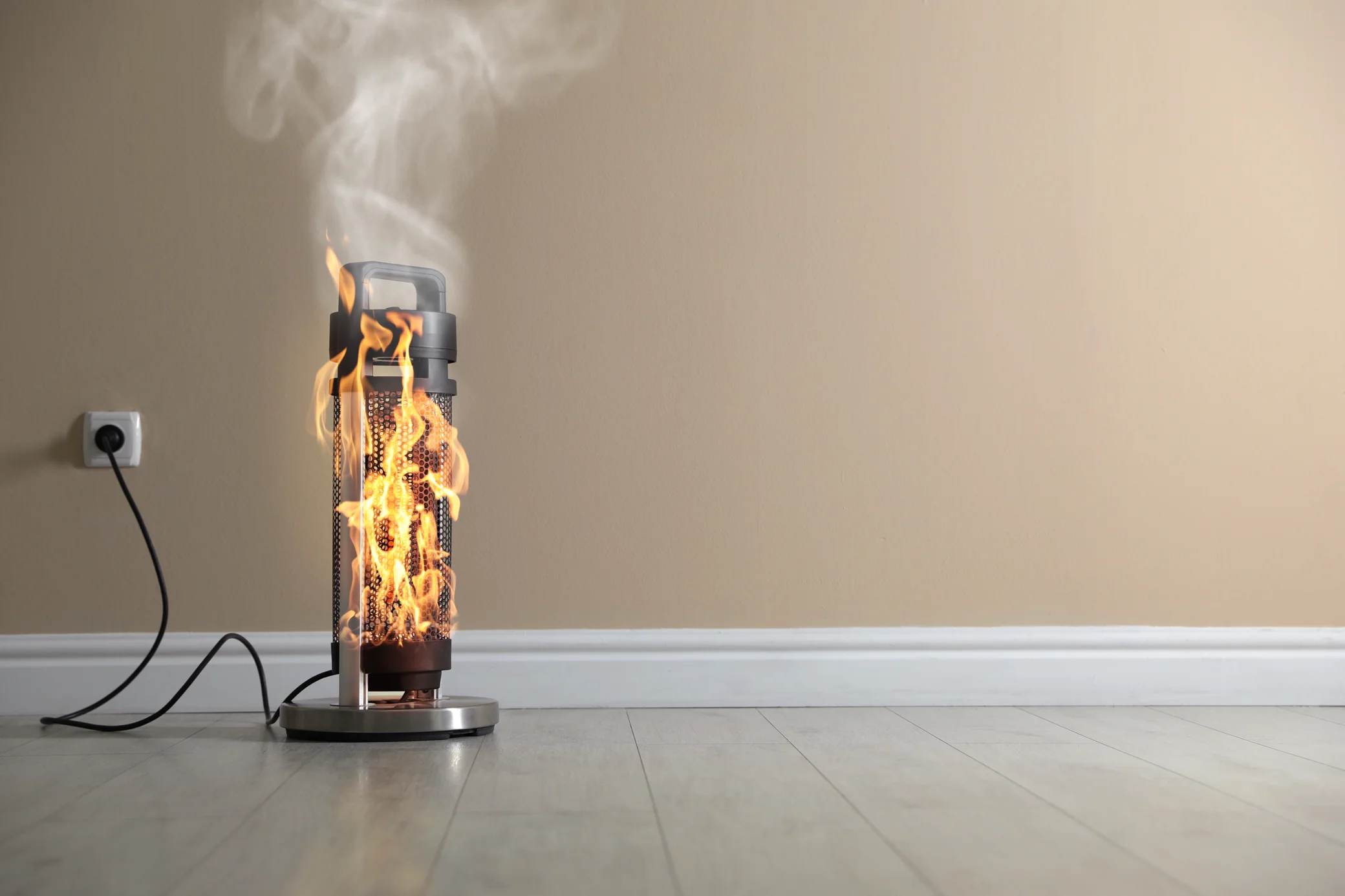
As you use your heating equipment more consistently, soot will accumulate and eventually impede the flow of exhaust fumes. When this happens, flame rollout results in flames escaping the heat exchanger and damaging other components in the heater.
Troubleshooting heater problems can help you identify this issue before the fire spreads to your home.
Carbon Monoxide Exposure Is More Likely
Long-term carbon monoxide poisoning can have fatal consequences, with many deaths occurring during sleep. Even before reaching that degree of exposure, people suffer from a variety of symptoms. Headaches, dizziness, nausea, vomiting, and fatigue are common signs of carbon monoxide exposure.
How will outdated heating equipment lead to carbon monoxide exposure? Normally, the carbon monoxide in the heat exchanger gets flushed outside your home through the flue. In an older system, a cracked heat exchanger or worn seals can let this hazardous gas seep out into your home.
How Can Leaks Affect My Health?
Natural gas is another type of dangerous leak. It replaces the oxygen in your blood supply. This affects the respiratory system, causing labored breathing, fatigue, and dizziness. Headaches and nausea are common symptoms as well. In addition to affecting the lungs, natural gas can damage the heart and cognitive functioning.
When your heating system uses natural gas as a fuel source, it’s important to catch a leak as early as possible. A loose connection or damaged line can lead to natural gas exposure. The lines in older equipment corrode and become brittle, letting gas seep through multiple cracks in the lines.
If you smell sulfur or rotten eggs, turn off your furnace and request emergency heating services.
The Loss of Heat Leads to Health Risks
Continuing to use outdated heating equipment will eventually lead to the system’s complete failure. Even before the equipment reaches an inoperable state, you’ll notice that your living spaces feel uncomfortably chilly.
Unless you install a new heating system, this situation will increase your health risks. Winter illnesses include the common cold, flu, and respiratory infections. Chronic conditions, such as asthma and arthritis, worsen in colder environments.
How Warm Should I Keep My House in Winter?
When it’s time to use your heating system, set your thermostat to 68 degrees. This is the recommended temperature for indoor comfort throughout the season. When you leave the home, you can drop the setting by 10 degrees. Avoid a setting that’s lower than 55 degrees to prevent frozen pipes.
Is It Time for a New Heater? Get Help from the Experts
When you partner with Air Repair Pros, we’ll help you evaluate your heating needs and choose the most efficient system for your home. We provide comprehensive installation services along with our maintenance and repair services.
Use our range of services to keep your home warm and your energy costs lower this winter. Contact us to schedule HVAC service today!