

Slab Leak Repair in Frisco, TX: What Homeowners Need to Know
If you need slab leak repair in Frisco, TX, here is a quick overview of what to expect:
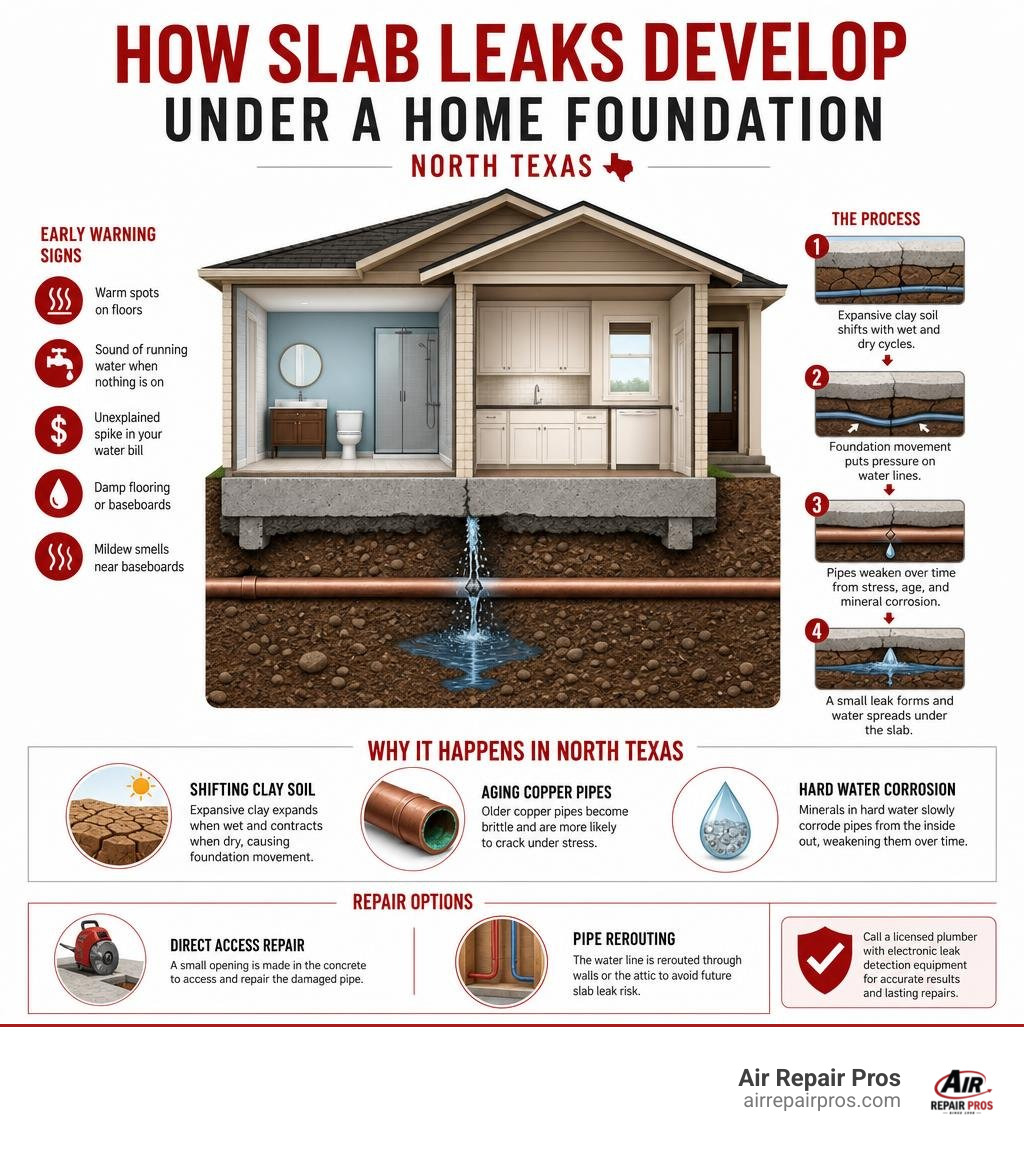
- Signs you have a slab leak: warm spots on floors, sound of running water when nothing is on, unexplained spike in your water bill, damp flooring, or mildew smells near baseboards.
- Main causes: shifting expansive clay soil, aging copper pipes, and hard water mineral corrosion.
- Repair options: direct concrete access repair or full pipe rerouting through walls or the attic.
- Who to call: a licensed plumber with electronic leak detection equipment.
- Response time: Air Repair Pros offers a 60-minute emergency response for slab leak situations in Frisco, TX.
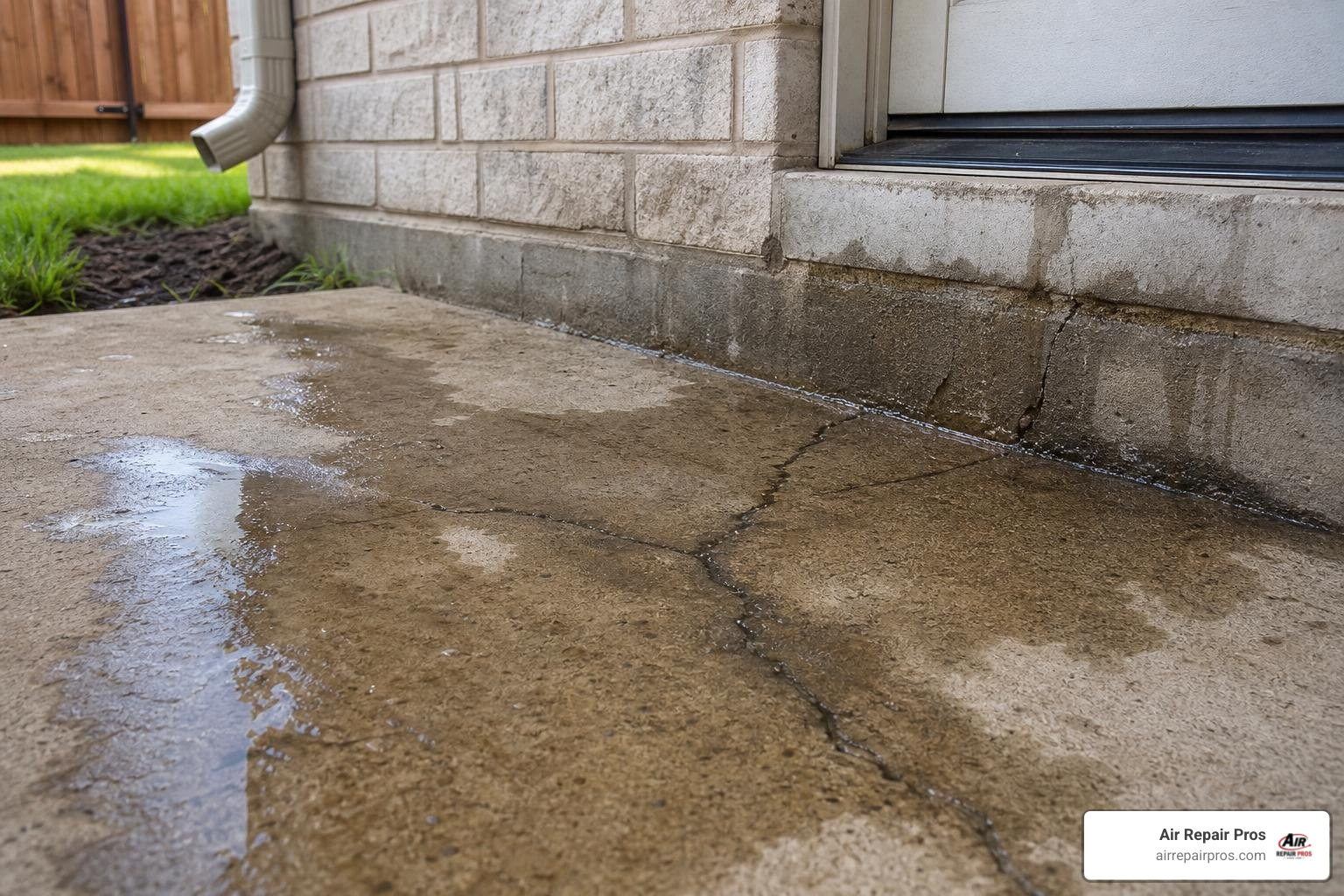
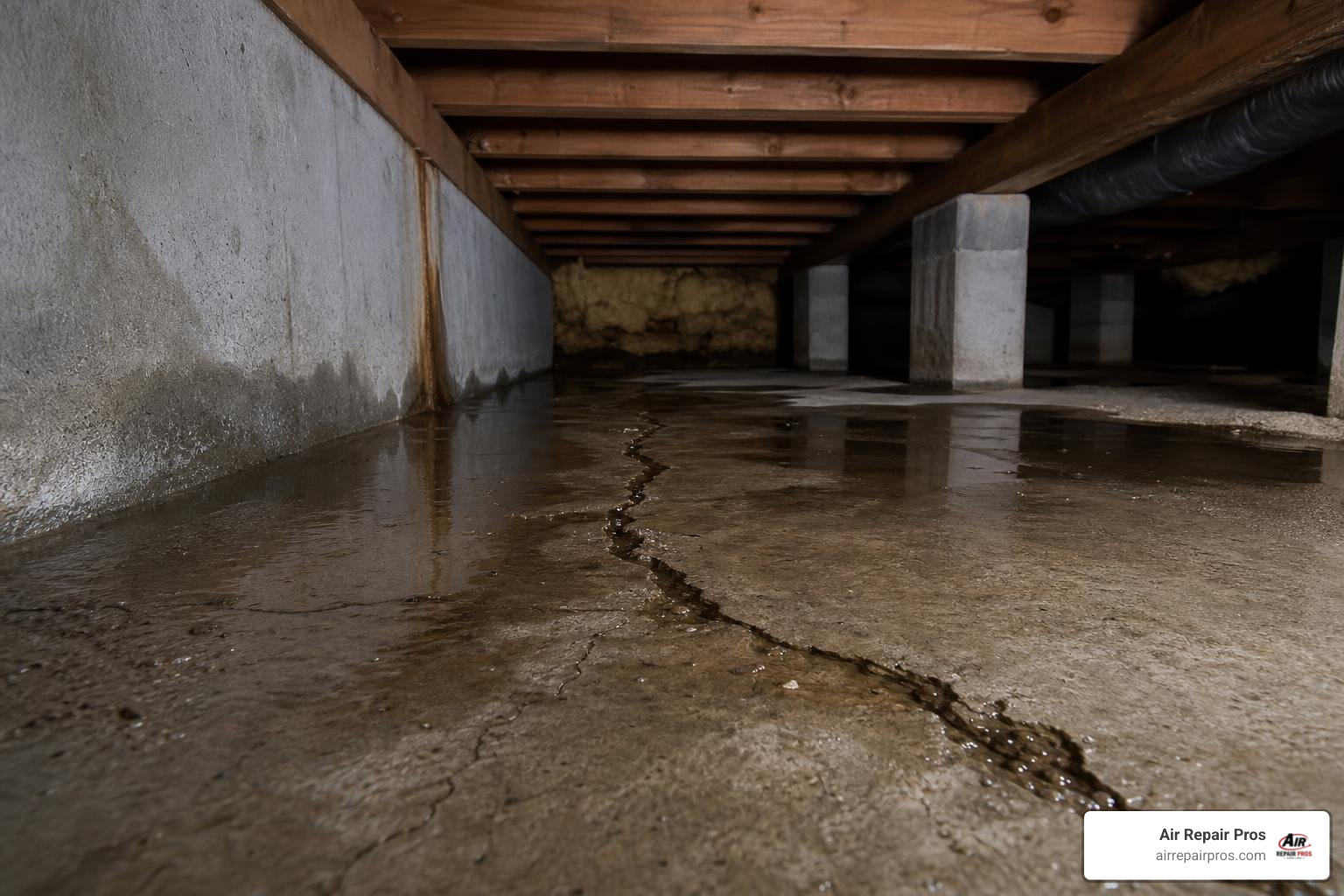
Slab leaks are one of the most serious plumbing problems a Frisco, TX homeowner can face. The water line runs beneath your concrete foundation, which means the leak is completely hidden. By the time you notice something is wrong, the water has often already been spreading into the soil, flooring, and sometimes the foundation itself. This excess moisture can also travel upward, significantly increasing indoor humidity levels and putting an extra burden on your home AC and HVAC systems.
What makes this especially common in North Texas is the combination of two things working against your pipes at the same time: expansive clay soil that shifts with every rain and drought cycle, and hard municipal water loaded with calcium and magnesium that slowly corrodes copper pipes from the inside out. Homes built between the 1970s and 1990s with original copper plumbing are at the highest risk. When these pipes leak, they do not just waste water; they actively undermine the structural integrity of your home.
Understanding the mechanics of a slab leak can help you make informed decisions. When a pipe leaks beneath a concrete slab, the water is under constant pressure. This pressure forces the water outward, where it saturates the surrounding soil. Over time, this saturation causes the soil to swell, lifting sections of the concrete slab. Conversely, if the water washes the soil away, it creates a void, causing the slab to sink. Both scenarios lead to severe foundation damage that can cost thousands of dollars to repair.
Air Repair Pros has been helping Frisco, TX homeowners find and fix slab leaks since 1998. This guide covers everything you need to know, from spotting the early warning signs to understanding your repair and insurance options.
What Causes Slab Leaks in North Texas Homes?
Slab leaks do not happen at random. In North Texas cities like Frisco, TX, McKinney, TX, and Plano, TX, specific environmental and geological factors combine to create a perfect storm for underground plumbing systems.
The primary culprit is the expansive clay soil native to North Texas. This type of soil acts like a sponge. During wet seasons, it absorbs water and expands significantly, pushing upward and outward against your home foundation. During hot, dry Texas summers, the soil loses moisture and contracts, leaving empty voids beneath the concrete slab. This continuous movement causes the heavy concrete foundation to shift. As the foundation moves, it puts immense pressure on the water lines buried beneath it. The constant shifting creates shear forces that can easily crack or bend rigid metal pipes.
Another major factor is the material of the pipes. Homes built in the 1970s, 1980s, and 1990s were plumbed primarily with copper pipes. While copper is a durable material, it is highly susceptible to the mineral content of the local water supply. North Texas municipal water is known for having high levels of calcium and magnesium. Over time, these minerals build up inside the lines, leading to chemical reactions that cause internal corrosion. This process, known as pitting corrosion, creates tiny, microscopic holes in the pipe walls.
As the water flows through these corroded, weakened copper lines, the shifting soil causes the pipes to rub against the rough concrete slab or the surrounding gravel. This constant pipe friction wears down the outer walls of the copper, eventually creating tiny pinhole leaks. Once a pinhole leak forms, the pressurized water begins to erode the surrounding soil, accelerating the structural movement of the home. Hard water can make that pipe wear worse over time, so homeowners who notice white buildup, dry skin after showers, or spots on fixtures may also want to learn the 7 signs your home has hard water and why it matters.
Furthermore, underground leaks can impact other home systems. For instance, if your home has under-slab HVAC ductwork, a slab leak can flood these ducts. This leads to ruined indoor air quality, mold growth inside your ventilation system, and a complete failure of your AC system to cool your home efficiently. When water enters the ductwork, your HVAC system has to work twice as hard to remove the moisture, leading to skyrocketing energy bills and premature equipment failure. The combination of high humidity and standing water in the ducts can also create a breeding ground for airborne pathogens, posing health risks to everyone in the household.
Warning Signs of a Slab Leak in Frisco, TX
Because slab leaks occur beneath several inches of reinforced concrete, you cannot simply look under the sink to see if there is a problem. Homeowners must rely on secondary clues to identify a leak before it causes severe structural damage.
The most common warning signs of a slab leak include:
- Unexplained warm spots on your floor: If you walk across your tile or hardwood floor and suddenly feel a warm patch under your feet, it is highly likely that a hot water line has ruptured directly below that spot. This is especially noticeable on tile and linoleum floors.
- The sound of running water: Hearing water rushing, trickling, or hissing when all faucets, showers, and appliances are completely turned off is a classic sign of an active underground leak. You might need to listen closely near baseboards or in quiet rooms.
- A sudden spike in your water bill: A sudden, dramatic increase in your monthly water utility bill with no change in your household usage is often the first financial indicator of a hidden plumbing leak. Even a tiny pinhole leak can waste thousands of gallons of water a month.
- Damp flooring and ruined carpets: Water from a slab leak will eventually find its way upward. It can saturate carpet padding, warp hardwood floorboards, or cause linoleum to bubble. If you notice soft spots in your flooring, do not ignore them.
- Musty or mildew odors: When water remains trapped beneath flooring or behind baseboards, it creates a damp environment where mold and mildew thrive. This leads to a persistent, musty smell that does not go away with cleaning.
- Cracks in your drywall or baseboards: As the escaping water washes away the supporting soil beneath your foundation, the slab will settle unevenly. This movement transfers stress to your home framing, resulting in cracks in your walls, ceilings, and baseboard joints.
- High indoor humidity: If your AC unit is constantly running but the air still feels sticky and humid, an underground water leak could be releasing gallons of moisture into your home structure daily. This forces your HVAC system to work overtime.
A slab leak is only one possible hidden plumbing issue, but it is one of the most urgent because it can affect the foundation, flooring, and indoor air quality at the same time. The broader plumbing in Frisco, TX complete homeowners guide explains other warning signs Frisco homeowners should watch for before small plumbing problems become emergencies.
How to Spot a Need for Slab Leak Repair in Frisco, TX
If you suspect you have an active leak, you can perform a simple visual inspection and a quick test using your water meter.
First, walk around the exterior of your home and look for pooling water near the concrete foundation. Check for soft, muddy patches in your lawn even when it has not rained recently. Next, turn off every water fixture inside and outside your house. Locate your water meter box, which is usually in your front yard near the curb. Open the lid and look at the low-flow indicator, which is often a small red or blue triangle, or a digital sweep hand. If this dial is spinning even though all water is shut off, water is actively escaping somewhere in your plumbing system.
A significant drop in water pressure throughout your home can also indicate a major rupture in your main supply line. If you notice these signs, it is time to contact a professional team immediately to prevent further structural damage. Delaying action can lead to catastrophic foundation failure and extensive mold growth that requires professional remediation.
Professional Slab Leak Detection and Repair Methods
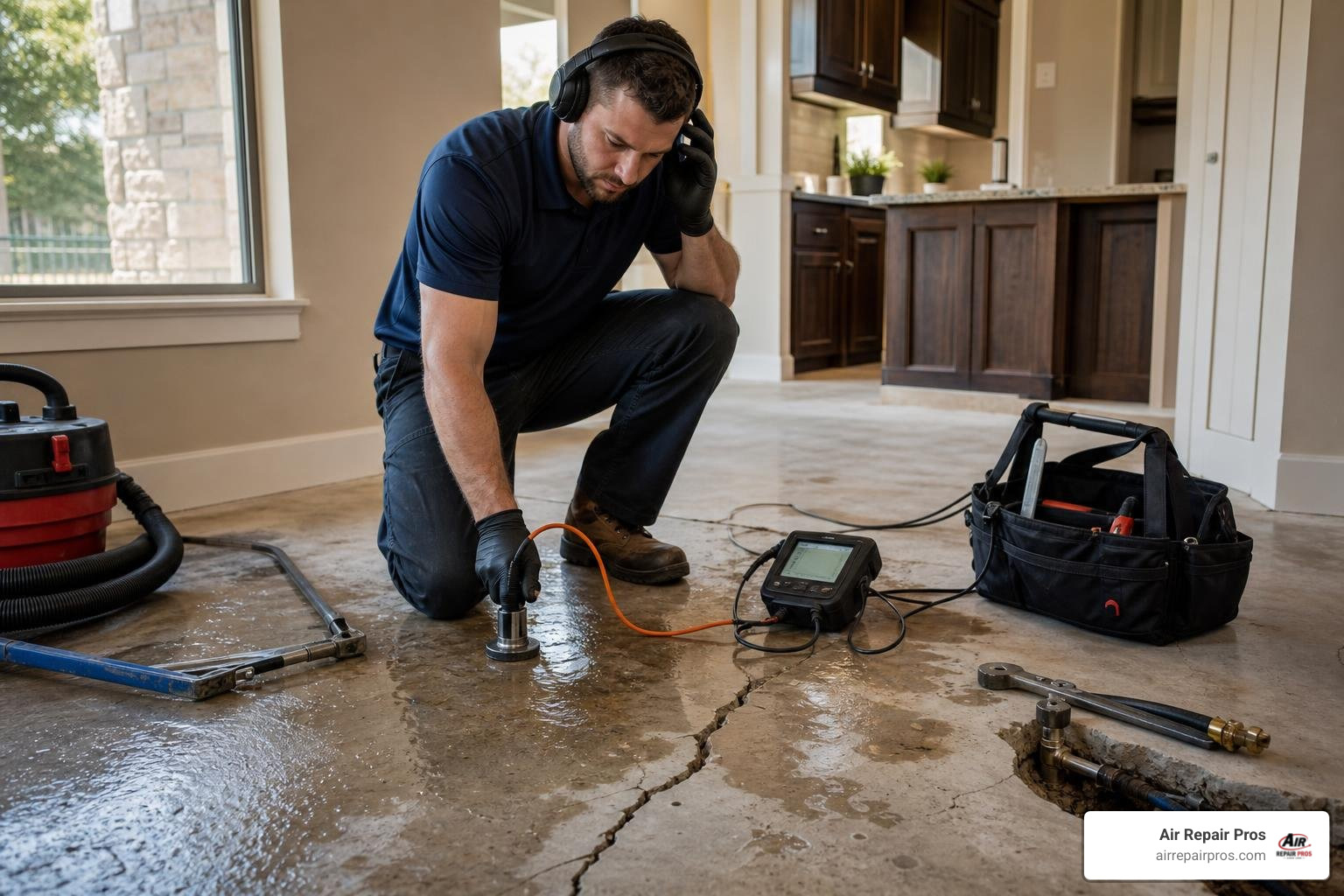
Locating a leak beneath a concrete foundation requires advanced technology. Gone are the days when plumbers had to guess the location of a leak and tear up large sections of concrete. Today, professional plumbers use non-invasive electronic leak detection to pinpoint the exact source of the problem.
This process involves using highly sensitive acoustic equipment. Technicians wear specialized headphones connected to ground microphones that detect the sound of escaping pressurized water through the concrete. Additionally, plumbers use thermal imaging cameras to map the heat signatures of hot water lines under the floor. This allows them to see exactly where the hot water is pooling beneath the slab without cutting into your flooring. By combining acoustic and thermal data, technicians can locate a leak within a few inches of its actual position.
Once the leak is located, there are several professional repair methods available:
- Direct Slab Access: This method involves carefully removing the flooring and using a jackhammer to break through a small section of the concrete slab. Once the damaged pipe is exposed, the plumber cuts out the corroded section and welds in a new piece of durable copper or PEX piping. This is a highly localized repair. While effective, it can be disruptive and messy.
- Line Rerouting: Instead of breaking through the concrete, the plumber abandons the damaged underground line entirely. A new water line is run through the walls or attic space to reconnect the plumbing fixtures. This is often the preferred method for older homes with deteriorated copper pipes, as it completely removes the plumbing from the shifting soil.
- Pipe Replacement: In cases where the entire plumbing system is failing, a complete home repipe may be necessary to prevent future leaks from occurring in other areas under the slab. This involves replacing all old copper lines with modern, flexible PEX piping.
For many homeowners, the first step is professional plumbing slab leak detection that can narrow the leak location before flooring or concrete is disturbed. Electronic detection helps the technician confirm whether the issue is under the slab, behind a wall, or connected to another hidden plumbing line, which reduces unnecessary demolition and helps homeowners understand the repair scope before work begins.
If the leak is tied to a damaged or deteriorating line, timely Frisco, TX pipe repair can restore your plumbing system and reduce the risk of additional water damage. A professional repair may involve isolating the damaged section, replacing compromised piping, checking water pressure, and confirming that nearby fixtures are operating normally before the job is complete.
Choosing the Right Slab Leak Repair in Frisco, TX Solution
The right repair method depends on the age of your home, the condition of your pipes, and your long-term plans. If the pipe is in excellent condition and has only suffered a minor puncture from a sharp rock, a direct slab repair is often the most straightforward approach. However, if the copper pipe is showing signs of widespread corrosion, patching one spot may simply lead to another leak forming nearby in the future.
In older homes, rerouting the pipe through the attic is often the safest and most reliable long-term solution. It keeps your water lines accessible and removes them from the destructive forces of shifting North Texas clay soils. This prevents the need for future concrete excavation and protects your interior flooring from repeated damage.
| Direct Slab Repair | Pipe Rerouting |
|---|---|
| Best for localized, single-point pipe damage | Best for aging, corroded, or fragile copper pipes |
| Requires breaking through concrete floors | Avoids damaging your flooring and concrete |
| Fast solution for modern, healthy plumbing systems | Long-term solution that eliminates future slab leaks |
| May cause disruption to the interior living space | Involves running new lines through walls or attics |
The Consequences of Unresolved Slab Leaks on Foundations
Ignoring a slab leak can lead to catastrophic consequences for your home. The water escaping from pressurized pipes does not just sit still; it actively erodes the soil supporting your foundation. Over time, this erosion creates large underground voids. Without proper soil support, the heavy concrete slab will sink into these voids, causing uneven settling.
As the foundation shifts, the structural integrity of your entire home is compromised. You will begin to notice interior doors that no longer close properly, windows that stick in their frames, and large cracks appearing in your drywall and exterior brickwork. In severe cases, the foundation itself can crack or break, requiring expensive foundation piering and structural stabilization services. These repairs can cost tens of thousands of dollars and require weeks of invasive construction work.
Furthermore, the excess moisture rising from the slab creates an ideal breeding ground for mold, which can compromise your indoor air quality and pose health risks to your family. Mold spores can easily travel through your home ventilation system, triggering allergies, asthma, and other respiratory issues. This high humidity also forces your AC system to run continuously, increasing wear and tear on your HVAC compressor and raising your monthly utility bills. When your home is humid, the air feels warmer, prompting homeowners to lower the thermostat, which further strains the cooling system and shortens its lifespan.
Slab Leak Repair Frisco, TX: Costs, Water Removal, and Insurance
When dealing with a slab leak, homeowners must consider both the plumbing repair and the cleanup of any water damage. If water has surfaced inside your home, immediate water extraction, drying, and dehumidification are necessary to prevent mold growth and preserve your flooring.
The overall cost of resolving a slab leak can vary widely depending on several factors, including the location of the leak, the repair method chosen, and the extent of the water damage inside the home. Homeowners should request a professional estimate from a licensed specialist to understand the scope of work required for their specific situation. Factors such as the depth of the concrete, the type of flooring that needs to be removed, and the accessibility of the plumbing lines all play a role in determining the final cost.
Many homeowners wonder if their insurance policy will cover these expenses. Generally, standard homeowners insurance policies do not cover the cost of repairing the plumbing pipe itself. However, many policies do cover the tear-out costs required to access the pipe, such as breaking through the concrete, as well as the cost of drying out and restoring the water-damaged areas of your home. It is important to work with a professional restoration team that can provide precise moisture mapping and detailed documentation to assist with your insurance claim. Having detailed photographic evidence and professional moisture readings can significantly speed up the claims process.
Slab leak repair often involves both leak detection and restoration planning, especially when water has reached flooring, walls, or nearby rooms. The beginners guide to Dallas slab leak repair walks through the repair process in more detail so homeowners can better understand what happens after a leak is found.
Frequently Asked Questions About Slab Leaks
What are the signs of a slab leak in my home?
Common signs include warm spots on your floors, the sound of running water when all faucets are off, a sudden spike in your water bill, damp carpets or warped hardwood flooring, and musty odors near your baseboards.
What causes slab leaks in North Texas homes?
Slab leaks are primarily caused by the shifting of expansive clay soil, chemical corrosion of copper pipes due to hard water minerals, and continuous friction of the pipes against the concrete foundation.
Why is my water bill suddenly higher with no visible leak?
A sudden water bill increase often indicates a hidden leak in the pressurized water lines buried beneath your concrete slab, where water can escape continuously without being seen.
Can a slab leak cause foundation damage?
Yes. The water pressure from a leak can wash away the supporting soil beneath your slab, leading to foundation settling, structural cracking, and uneven floors.
How does a professional locate a slab leak?
Professionals use non-invasive electronic leak detection equipment, including ground microphones to listen for water sounds and thermal imaging cameras to detect warm water pooling under the floor.
What does concrete slab leak repair involve?
It can involve direct slab access, where a technician jackhammers a small section of concrete to patch the pipe, or line rerouting, where the damaged pipe is abandoned and new lines are run through the walls or attic.
Should I repair the slab leak or reroute the pipe?
Direct repair is suitable for isolated damage on healthy pipes. Rerouting is highly recommended for older homes with corroded copper pipes to prevent future leaks.
How long does slab leak water removal take?
Water extraction can take a few hours, while the complete structural drying and dehumidification process typically takes three to five days depending on the severity of the saturation.
Is slab leak water removal covered by insurance?
Most homeowners insurance policies cover water damage restoration and the cost to access the pipe, though they rarely cover the cost of the actual pipe repair itself.
How can I reduce the risk of slab leaks in my home?
You can reduce the risk by maintaining consistent soil moisture around your foundation, installing a water softener to combat hard water corrosion, and keeping your water pressure at a safe level.
Conclusion
A slab leak is a serious plumbing emergency that requires immediate professional attention. If you suspect your home has an underground water leak, do not wait for foundation damage or mold to take over your living space. Taking fast action can save you from costly structural repairs and extensive water damage restoration. By addressing the issue early, you protect your home investment and ensure a safe, healthy living environment for your family.
Based in Frisco, TX and serving North Dallas since 1998, Air Repair Pros provides reliable, full-scale residential plumbing solutions. Our fully stocked trucks carry the necessary parts to complete most repairs in a single visit, and our team is ready to respond quickly to your plumbing needs. If you suspect a leak under your home foundation, contact our professional slab leak repair technicians to schedule electronic leak detection and secure a professional repair solution today.